2026 Impact of Supply Chain Innovations on Fashion Lead Times
Advertisements
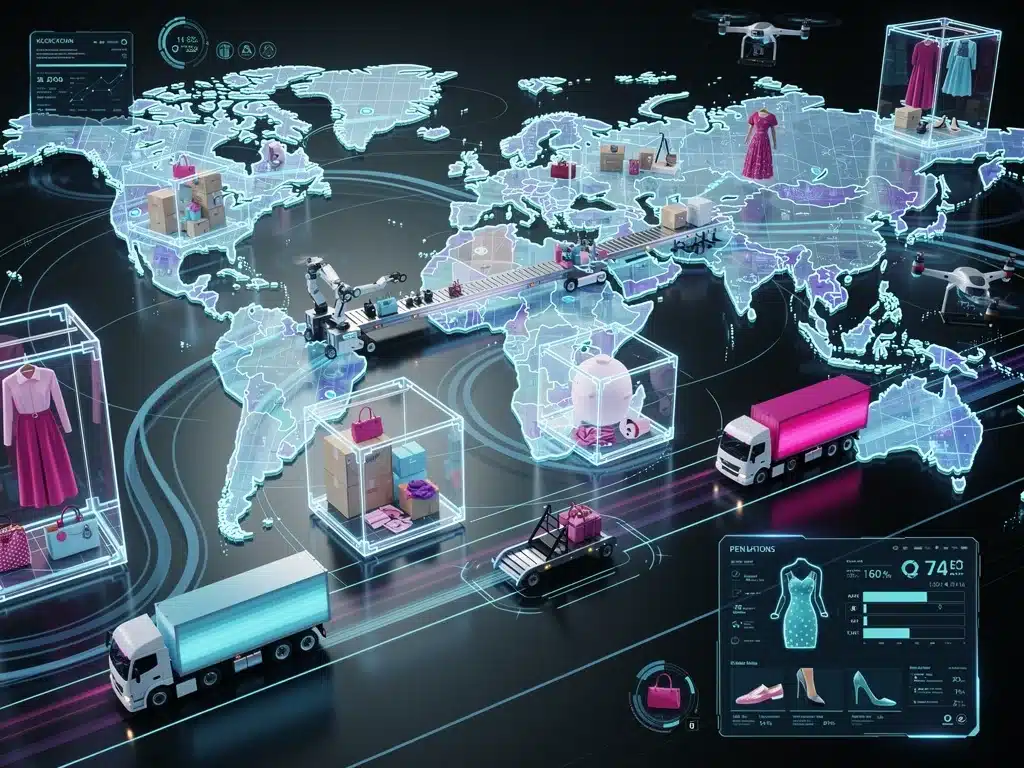
In an era where consumer demand changes overnight, groundbreaking advances in Supply Chain management are fundamentally redefining how fast runway trends reach retail shelves. By shaving off a staggering 25% in lead times, fashion brands are setting a new speed benchmark for global logistics in 2026.
This dramatic shift is driven by nearshoring networks, predictive analytics, and automated distribution channels across the United States.
Together, these smart operational models are eliminating traditional bottlenecks, reducing deadstock, and boosting profitability throughout the entire merchandise ecosystem.
Advertisements
Whether you are a retail executive or an industry watcher, tracking these distribution milestones is essential for staying competitive. Here is what has changed, why these fulfillment upgrades matter, and where the market is heading next.
The Dawn of Agile Fashion Supply Chains
The fashion industry stands on the cusp of a transformative era, driven by unprecedented advancements in supply chain technology. By 2026, experts project a significant 25% reduction in lead times, fundamentally reshaping how garments move from design to consumer.
This anticipated shift is not merely an incremental improvement; it represents a paradigm change, promising greater efficiency, reduced waste, and enhanced responsiveness to market demands. Brands are actively investing in these innovations to secure a competitive edge.
Understanding the mechanisms and implications of this reduction is crucial for stakeholders across the entire fashion ecosystem, from manufacturers to retailers and ultimately, the end consumer.
Technological Pillars Driving Lead Time Reduction
The projected 25% reduction in lead times by 2026 is underpinned by several technological breakthroughs that are collectively optimising every stage of the supply chain. These innovations are creating a more transparent, predictable, and agile system.
From advanced data analytics to automation and artificial intelligence, the integration of these technologies is allowing fashion companies to anticipate trends more accurately and respond with unprecedented speed. This holistic approach ensures that efficiencies are gained across the entire value chain.
The collective effort to embed these technologies across the supply chain is what makes the ambitious 25% reduction target not just plausible, but increasingly probable.
Artificial Intelligence and Predictive Analytics
AI and machine learning are revolutionising demand forecasting, enabling brands to predict consumer preferences with remarkable accuracy. This precision minimises overproduction and stockouts, directly impacting lead times.
By analysing vast datasets, including social media trends, sales histories, and global events, AI algorithms provide actionable insights that inform design, production, and distribution decisions. This proactive approach is critical for reducing time-to-market.
- Enhanced demand forecasting accuracy.
- Optimisation of inventory levels.
- Proactive identification of emerging trends.
Automation and Robotics in Manufacturing and Logistics
Automated systems in manufacturing plants and distribution centres are accelerating production cycles and logistical operations. Robots handle tasks from fabric cutting to packaging, significantly cutting down manual labour time.
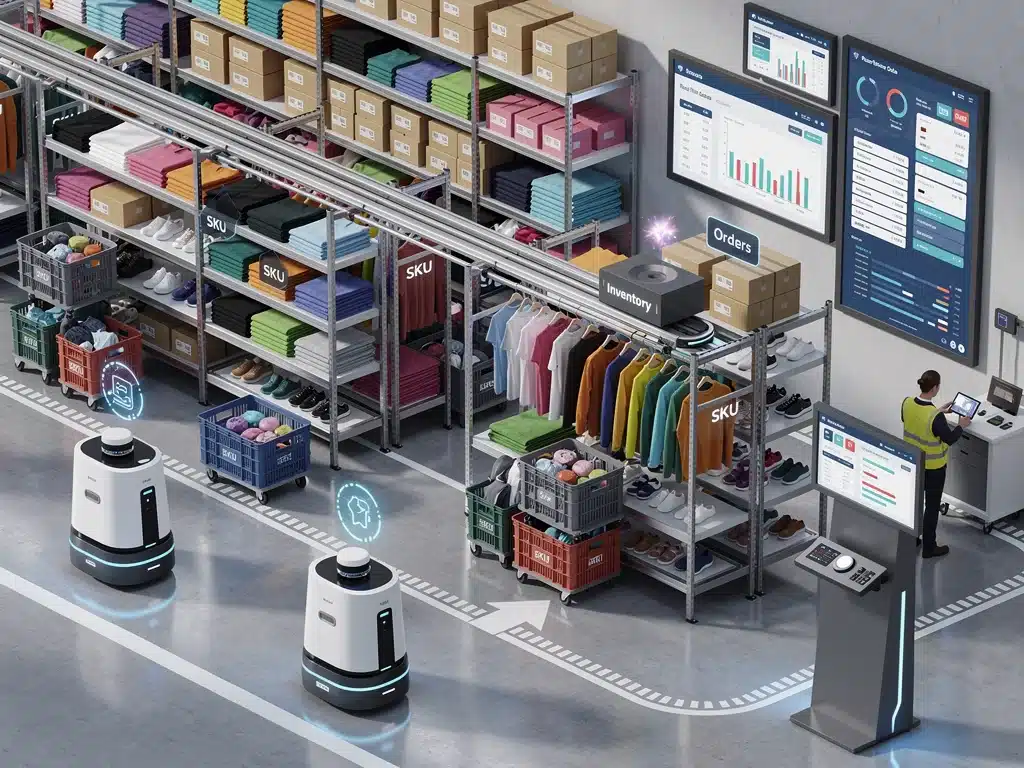
In warehouses, autonomous mobile robots (AMRs) are streamlining picking and sorting processes, ensuring faster order fulfilment. This automation reduces bottlenecks and increases throughput, directly contributing to shorter lead times.
- Faster production and assembly lines.
- Efficient warehouse management.
- Reduced human error in repetitive tasks.
The Role of Digitalisation and Connectivity
Digitalisation is serving as the connective tissue that integrates disparate elements of the fashion supply chain, fostering real-time communication and data exchange. This seamless flow of information is paramount for achieving the targeted 25% reduction in lead times.
Cloud-based platforms and digital twins allow for virtual prototyping and collaborative design, eliminating physical sample iterations that traditionally prolong development cycles. This digital transformation is creating a truly interconnected ecosystem.
The enhanced connectivity ensures that all stakeholders, from raw material suppliers to retail partners, are operating with the most current and accurate information.
Blockchain for Transparency and Traceability
Blockchain technology offers an immutable and transparent ledger for tracking products throughout the supply chain, from raw material sourcing to final delivery. This enhances trust and verifies ethical practices.
The ability to trace every component and process step in real-time provides unprecedented visibility, allowing for quicker identification and resolution of issues. This transparency is a key driver for efficiency and accountability, contributing to the reduction in lead times.
- Improved supply chain visibility.
- Enhanced trust and authenticity.
- Faster issue resolution and compliance verification.
Internet of Things (IoT) for Real-time Monitoring
IoT devices embedded in manufacturing equipment, logistics vehicles, and even garments themselves provide continuous, real-time data on their status and location. This constant flow of information allows for proactive management.
Sensors can monitor environmental conditions, machine performance, and inventory levels, flagging potential delays or inefficiencies before they escalate. This predictive maintenance and operational oversight are vital for maintaining optimal flow and reducing lead times.
- Continuous monitoring of assets and processes.
- Predictive maintenance for equipment.
- Optimised route planning and delivery.
Impact on Fashion Brands and Consumers
The 2026 Impact of Supply Chain Innovations on Fashion Lead Times will have profound implications for both fashion brands and consumers, reshaping market dynamics and expectations.
Brands will benefit from increased agility and reduced costs, while consumers will enjoy faster access to new trends.
This shift will empower brands to respond to rapidly evolving consumer tastes with greater speed, leading to more relevant product offerings and reduced inventory risks. The ability to quickly pivot production based on demand signals will be a significant advantage.
For consumers, this means a more responsive and personalised shopping experience, where the latest styles are available much sooner after their conception.
Accelerated Product Launches and Trend Responsiveness
With significantly shorter lead times, fashion brands can bring new collections to market much faster, capitalising on fleeting trends and cultural moments. This agility is crucial in today’s fast-paced fashion cycle.
The ability to quickly design, produce, and distribute new items allows brands to stay highly relevant and competitive, directly addressing consumer desire for novelty and immediacy. This responsiveness enhances brand loyalty and market share.
- Faster adaptation to fashion trends.
- Increased frequency of new product drops.
- Enhanced competitive positioning.
Enhanced Sustainability and Waste Reduction
A more efficient supply chain, characterised by reduced lead times, inherently leads to less waste. Precise demand forecasting minimises overproduction, which is a major contributor to textile waste.
Optimised logistics and reduced reliance on expedited shipping methods also decrease carbon emissions. Brands can operate more sustainably, aligning with growing consumer demand for eco-conscious practices and demonstrating commitment to environmental responsibility.
- Reduced textile waste from overproduction.
- Lower carbon footprint from streamlined logistics.
- Improved resource utilisation across the supply chain.
Challenges and Future Outlook
While the prospects for the 2026 impact of supply chain innovations on fashion lead times are overwhelmingly positive, significant challenges remain.
These include the substantial initial investment required for new technologies and the complexity of integrating diverse systems across global operations.
Cybersecurity risks also pose a continuous threat to highly digitalised supply chains, necessitating robust protection measures. Furthermore, adapting existing workforce skills to new technological demands will be a critical undertaking for many organisations.
Addressing these challenges effectively will be key to fully realising the ambitious goal of a 25% reduction in lead times and ensuring the long-term sustainability of these innovations.
Cybersecurity and Data Privacy Concerns
As fashion supply chains become increasingly digital and interconnected, they become more vulnerable to cyber threats. Protecting sensitive data and operational integrity is paramount to prevent disruptions and maintain trust.
Implementing robust cybersecurity protocols and ensuring compliance with data privacy regulations are non-negotiable. A single breach could compromise the entire system, undoing the gains made in efficiency and lead time reduction.
- Protection of sensitive operational data.
- Compliance with global data privacy laws.
- Mitigation of risks from cyber-attacks.
Workforce Reskilling and Adaptation
The adoption of advanced technologies necessitates a significant investment in upskilling and reskilling the workforce. Employees need to be proficient in managing AI systems, robotics, and data analytics platforms.
This human element is critical for the successful implementation and ongoing optimisation of innovative supply chain solutions. Without a skilled workforce, the potential of these technologies cannot be fully realised, impacting the overall reduction in lead times.
- Training programmes for new technologies.
- Cultivating a tech-savvy workforce.
- Ensuring human oversight of automated systems.
Regional Adaptations and Global Standards
The implementation of supply chain innovations for reducing fashion lead times will not be uniform across all regions. Localised factors, including infrastructure, regulatory environments, and labour costs, will influence the pace and nature of adoption.
Establishing global standards for data exchange and interoperability will be crucial to ensure seamless integration across international supply chains. This harmonisation will facilitate the widespread benefits of reduced lead times.
Understanding these regional nuances and working towards common operational frameworks will be essential for achieving a truly global impact and widespread 25% reduction.
Leveraging Local Manufacturing Hubs
The strategic development of localised manufacturing hubs, closer to key consumer markets, is a direct response to the drive for reduced lead times. This minimises lengthy international shipping and associated delays.
These hubs, often equipped with advanced automation and digital tools, can produce smaller, more responsive batches of clothing, allowing for quick replenishment and adaptation to local demand.
This decentralisation significantly contributes to the 2026 impact of supply chain innovations on fashion lead times.
- Reduced transportation distances and costs.
- Faster response to local market trends.
- Greater resilience against global disruptions.
Standardisation of Data Exchange Protocols
For the full potential of digital supply chains to be realised, there must be a widespread adoption of standardised data exchange protocols. This ensures that information flows seamlessly between different systems and partners globally.
Interoperability is key to avoiding data silos and facilitating real-time collaboration, which is fundamental for accelerating processes and achieving the desired reduction in lead times. Without common standards, the efficiency gains would be severely limited.
- Seamless data flow between diverse systems.
- Enhanced collaboration across the supply chain.
- Prevention of data inconsistencies and errors.

Investment and Collaboration Imperatives
Achieving the 2026 Impact of Supply Chain Innovations on Fashion Lead Times demands substantial investment and unprecedented levels of collaboration across the industry. Brands, technology providers, and logistics firms must work in concert.
Financial commitments are necessary for acquiring cutting-edge technologies, upgrading infrastructure, and developing new operational models. Beyond capital, intellectual collaboration is vital for sharing best practices and overcoming common challenges.
This synergistic approach, blending significant investment with strategic partnerships, is the only way to unlock the full potential of these transformative innovations.
Public-Private Partnerships for Innovation
Government bodies and industry associations are increasingly recognising the importance of fostering innovation through public-private partnerships. These collaborations can accelerate research and development in supply chain technologies.
Such partnerships can also help in establishing supportive regulatory frameworks and funding pilot programmes for new solutions, driving widespread adoption. This collective effort is crucial for the 2026 impact of supply chain innovations on fashion lead times.
- Accelerated R&D in supply chain tech.
- Supportive regulatory environments.
- Funding for pilot and implementation projects.
Venture Capital and Startup Ecosystem
The role of venture capital and the startup ecosystem is pivotal in bringing disruptive innovations to the fashion supply chain. Startups are often at the forefront of developing niche technologies that can be scaled across the industry.
Investment in these agile companies provides the necessary capital for their growth and integration into larger supply chain networks, fostering a dynamic environment for continuous improvement. This fuels the innovations leading to reduced lead times.
- Funding for cutting-edge supply chain startups.
- Integration of innovative solutions into existing systems.
- Rapid development of specialised technologies.
| Key Aspect | Description |
|---|---|
| Target Reduction | 25% decrease in fashion lead times by 2026. |
| Key Technologies | AI, automation, blockchain, and IoT integration. |
| Industry Impact | Enhanced agility, sustainability, and market responsiveness. |
| Challenges | Investment, cybersecurity, and workforce reskilling. |
Frequently Asked Questions About Fashion Supply Chain Innovations
The main objective is to achieve a 25% reduction in fashion lead times by 2026. This aims to make the fashion industry more agile, responsive to consumer trends, and efficient in its production and distribution processes, ultimately benefiting both brands and consumers.
Key technologies include Artificial Intelligence for predictive analytics, automation and robotics in manufacturing and logistics, blockchain for transparency, and the Internet of Things for real-time monitoring. These are integrated to create a seamless and efficient supply chain.
Consumers will experience faster access to new fashion trends and collections. The reduced lead times mean products can move from concept to market more quickly, offering a more dynamic and responsive shopping experience with fresher, more relevant styles available sooner.
Significant challenges include the substantial upfront investment required for new technologies, addressing cybersecurity and data privacy concerns, and the critical need to reskill and upskill the existing workforce to manage these advanced systems effectively.
Yes, improved supply chain efficiency leads to less waste by optimising production based on accurate demand forecasts, reducing overstock. Streamlined logistics also result in lower carbon emissions, making the fashion industry more environmentally responsible and sustainable.
Looking Ahead: The Future of Fashion Logistics
The 2026 Impact of Supply Chain Innovations on Fashion Lead Times marks a pivotal moment for the global fashion industry. The convergence of advanced technologies is not just an efficiency drive but a fundamental redefinition of industry operations.
As brands continue to invest in AI, automation, and digital integration, the focus will shift towards maintaining agility while scaling these innovations sustainably. The ongoing evolution of customer expectations will further drive the need for continuous improvement in lead times.
Observers should monitor investment trends in supply chain tech, regulatory developments concerning data and labour, and the emergence of new collaborative models between industry players to fully grasp the future landscape of fashion logistics.