30-Gram Fiber Target: Experts Overhaul Gut Protocols 2026
Advertisements
Are you sure your morning oatmeal is actually doing enough for your digestive health? With nutrition experts overhauling daily gut protocols in 2026, hitting the 30-Gram Fiber Target has become the new benchmark for a thriving microbiome.
While 95% of Americans still fall dangerously short of daily dietary intake recommendations, fresh clinical guidelines emphasize balancing soluble and insoluble roughage over restrictive dieting. Fueling beneficial bacteria with prebiotic plant foods directly supports metabolism, heart health, and steady energy.
Whether you are looking to beat afternoon fatigue or transform your digestion without complicated meal plans, understanding this updated nutritional framework is essential. Here is what changed in the latest guidelines and what you should monitor next.
The Emergence of the 30-Gram Fiber Target
Nutrition experts are overhauling daily gut protocols in 2026, signaling a significant shift in dietary recommendations. This new emphasis on a 30-gram fiber target aims to address widespread deficiencies and improve public health outcomes across the United States.
The move comes after extensive research highlighting the critical role of dietary fiber in gut health, disease prevention, and overall well-being. The current average fiber intake falls significantly short, prompting this urgent reevaluation of guidelines.
This redefinition of optimal fiber intake marks a pivotal moment, encouraging both individuals and healthcare providers to prioritize fiber-rich foods more deliberately in daily diets.
Why Nutrition Experts Are Overhauling Daily Gut Protocols
The decision to overhaul daily gut protocols stems from compelling scientific evidence linking low fiber intake to a range of chronic health issues. These include digestive disorders, cardiovascular disease, type 2 diabetes, and certain cancers.
Experts recognize that current dietary patterns, heavily reliant on processed foods, contribute to a pervasive fiber deficit among the population. This deficit undermines the gut microbiome, which is essential for nutrient absorption and immune function.
By establishing a clear 30-gram fiber target, nutritionists aim to provide a tangible goal that can guide individuals towards healthier eating habits and better long-term health outcomes.
The Scientific Basis for Increased Fiber
Recent studies underscore fiber's multifaceted benefits, from regulating blood sugar levels to fostering a diverse and healthy gut microbiota. Soluble and insoluble fibers play distinct yet complementary roles in digestive health.
Soluble fiber, found in oats, beans, and apples, helps lower cholesterol and glucose levels, while insoluble fiber, prevalent in whole grains and vegetables, promotes regular bowel movements. Both are vital for maintaining gut integrity.
The collective evidence strongly supports the notion that a higher fiber intake is not merely beneficial but fundamental to preventing a host of modern health ailments.
Fiber aids in weight management by increasing satiety and reducing overall calorie intake.
It significantly reduces the risk of cardiovascular diseases by improving lipid profiles.
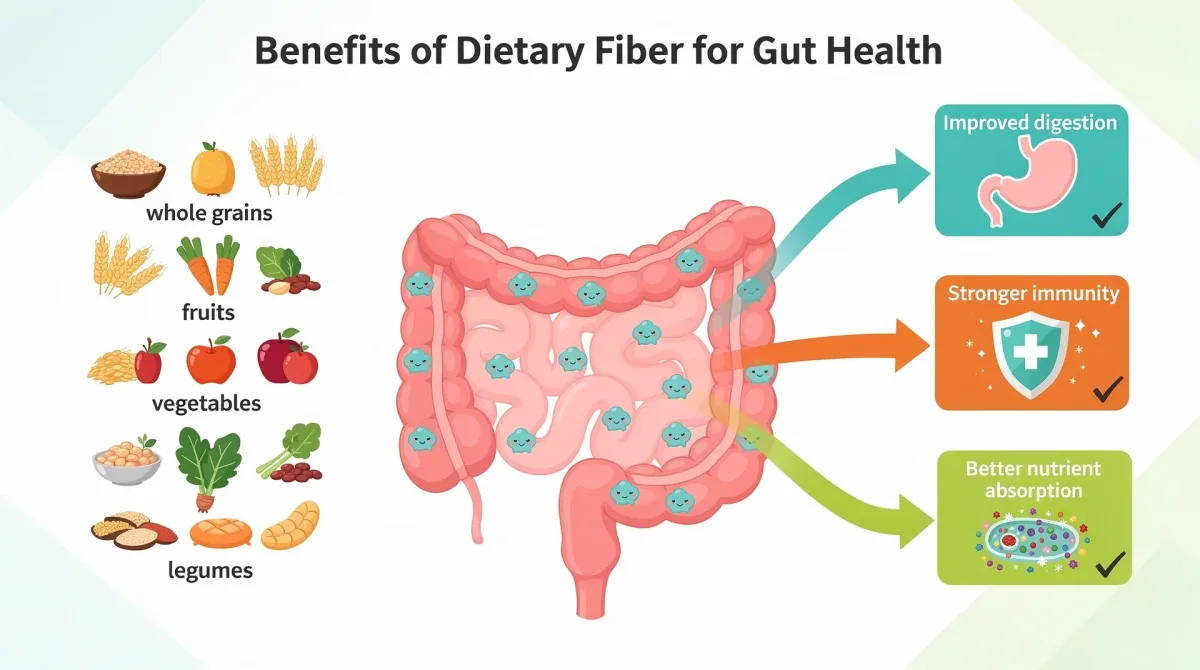
A robust 30-gram fiber target supports a balanced gut microbiome, crucial for immunity.
Impact on Public Health and Dietary Guidelines
The integration of the 30-gram fiber target into official daily gut protocols will have far-reaching implications for public health initiatives. Government agencies and health organizations are expected to update their dietary recommendations accordingly.
Educational campaigns will likely emphasize practical ways to increase fiber intake through whole foods rather than supplements, encouraging a more holistic approach to nutrition. This shift necessitates a re-education for consumers and healthcare professionals alike.
Ultimately, this overhaul aims to foster a healthier population by equipping individuals with actionable targets for improving their gut health and preventing chronic diseases.
Challenges in Achieving the 30-Gram Fiber Target
While the benefits are clear, achieving a 30-gram fiber target presents practical challenges for many Americans. Modern diets often lack sufficient plant-based foods, which are the primary sources of dietary fiber.
Consumers may need to consciously incorporate more fruits, vegetables, legumes, and whole grains into their meals, moving away from convenience foods. Food manufacturers also face pressure to innovate and offer more fiber-rich products.
Overcoming these hurdles requires a concerted effort from individuals, educators, the food industry, and policymakers to create an environment conducive to higher fiber consumption.
Practical Strategies for Meeting the New Fiber Goal
Meeting the new 30-gram fiber target requires intentional dietary adjustments and a focus on whole, unprocessed foods. Simple swaps and additions can significantly boost daily fiber intake without drastic changes to eating habits.
Incorporating a variety of plant-based foods, such as berries, leafy greens, beans, and nuts, throughout the day is key. Starting the day with high-fiber breakfast options like oatmeal or whole-grain cereals can set a strong foundation.
Gradually increasing fiber intake is crucial to avoid digestive discomfort and allow the body to adapt to the new dietary regimen effectively.
Fiber-Rich Food Choices
Legumes: Lentils, chickpeas, black beans, and kidney beans are excellent sources of both soluble and insoluble fiber.
Whole Grains: Opt for oats, quinoa, brown rice, whole wheat bread, and whole grain pasta over refined grains.
Fruits: Apples, pears, berries, and bananas, especially with their skins, provide substantial fiber.
Vegetables: Broccoli, Brussels sprouts, carrots, and leafy greens are packed with essential fiber and nutrients.
Nuts and Seeds: Almonds, chia seeds, flax seeds, and sunflower seeds offer a convenient fiber boost.
The Role of the Gut Microbiome in Fiber Protocols
The gut microbiome plays a central role in the efficacy of the 30-gram fiber target, as fiber serves as a primary fuel source for beneficial gut bacteria. A thriving microbiome is integral to overall health.
When these bacteria ferment fiber, they produce short-chain fatty acids (SCFAs), which have profound anti-inflammatory and immune-modulating effects. This process directly links fiber intake to gut health and systemic wellness.
Understanding this symbiotic relationship reinforces why nutrition experts are overhauling daily gut protocols, emphasizing fiber not just for digestion but for microbial health.
Fiber and Disease Prevention
A consistent intake aligned with the 30-gram fiber target is strongly associated with a reduced risk of various chronic diseases. This preventive aspect is a cornerstone of the new dietary recommendations.
By promoting satiety, fiber helps manage weight, a significant factor in preventing obesity-related conditions. Its ability to stabilize blood sugar levels is critical for diabetes prevention and management.
Furthermore, fiber's role in maintaining a healthy gut environment contributes to a stronger immune system and may reduce the risk of certain cancers, particularly colorectal cancer.

Future Outlook: Beyond 2026 for Fiber Intake
As nutrition experts are overhauling daily gut protocols in 2026, the long-term vision extends beyond merely meeting the 30-gram fiber target. Future research will likely explore personalized fiber recommendations based on individual gut microbiomes.
Technological advancements, such as gut microbiome testing, could offer tailored dietary advice, optimizing fiber intake for maximum health benefits. This personalized approach could revolutionize preventive medicine.
The ongoing commitment to understanding fiber's complex role ensures that dietary guidelines will continue to evolve, always aiming for improved public health outcomes.
Government and Industry Response to the New Target
The shift to a 30-gram fiber target is expected to prompt significant responses from both government agencies and the food industry. Policy changes may include subsidies for fiber-rich foods or clearer labeling requirements.
Food manufacturers will likely invest in developing new products that meet the increased fiber recommendations, offering consumers healthier options. This could lead to a broader availability of high-fiber choices in supermarkets.
Collaboration between public health bodies and the private sector will be crucial in facilitating widespread adoption of the new fiber guidelines and ensuring their accessibility to all segments of the population.
Key Point | Brief Description |
|---|---|
New Fiber Target | Nutrition experts recommend 30 grams of fiber daily starting 2026. |
Why the Change | Addresses low intake, chronic disease prevention, and gut health. |
Health Benefits | Improves digestion, boosts immunity, and reduces chronic disease risk. |
How to Achieve | Incorporate more whole grains, fruits, vegetables, legumes, nuts, and seeds. |
Frequently Asked Questions About the 30-Gram Fiber Target
What is the new 30-gram fiber target?▼
The 30-gram fiber target is the updated daily recommended intake of dietary fiber, set to be a key component of daily gut protocols starting in 2026. This new guideline aims to significantly increase the average fiber consumption among the population for better health outcomes.
Why are nutrition experts overhauling daily gut protocols?▼
Nutrition experts are overhauling daily gut protocols due to mounting evidence linking insufficient fiber intake to various chronic diseases and poor gut health. The current average intake is too low, necessitating a stronger emphasis on achieving the 30-gram fiber target.
What are the main benefits of meeting the 30-gram fiber target?▼
Meeting the 30-gram fiber target offers numerous benefits, including improved digestion, enhanced gut microbiome diversity, better blood sugar control, reduced cholesterol levels, and a lower risk of heart disease, type 2 diabetes, and certain cancers.
How can I increase my daily fiber intake to reach 30 grams?▼
To reach the 30-gram fiber target, focus on incorporating more whole grains, fruits (with skin), vegetables, legumes like beans and lentils, and nuts and seeds into your diet. Gradual increases are recommended to avoid digestive discomfort and allow your body to adjust.
Will this new fiber target affect food labeling or availability?▼
It is anticipated that the new 30-gram fiber target will influence food labeling and industry practices. Consumers may see clearer fiber content information, and food manufacturers might develop more high-fiber products to help individuals meet the updated daily gut protocols.
Looking Ahead: Implications and Adaptations
The overhaul of daily gut protocols for 2026, centering on the 30-gram fiber target, represents a critical public health initiative. This shift underscores a growing understanding of fiber's indispensable role in overall wellness, extending beyond mere digestive health.
As implementation approaches, individuals, healthcare providers, and the food industry will need to adapt, ensuring widespread access to fiber-rich options and comprehensive educational resources. The success of this target hinges on collective effort and a sustained commitment to dietary improvement, setting a new standard for preventive health.