Wearable Tech for US Athletes: 2026 Health Monitoring Comparison
Advertisements
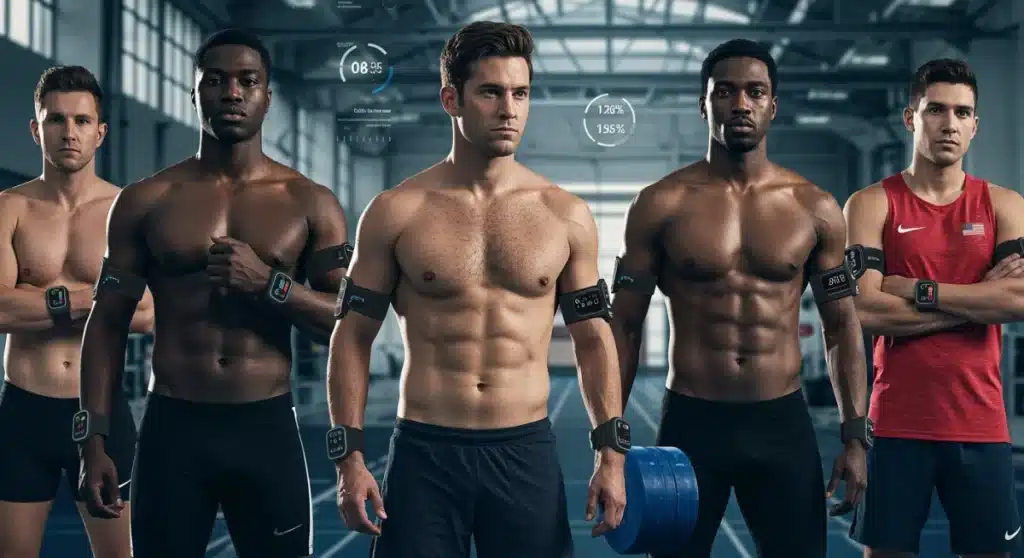
Latest developments in Wearable Tech show rapid advancements in data accuracy and real-time performance tracking for U.S. athletes. Leading devices now integrate AI-driven analytics to deliver precise insights on heart rate, recovery, and training load.
Recent updates highlight improved sensor technology and validation against clinical-grade equipment, increasing trust in wearable data. Verified analyses indicate that top-tier devices are closing the gap between consumer tech and professional medical monitoring.
Looking ahead, athletes should monitor innovations in biometric tracking, battery efficiency, and integration with training platforms. Key factors include data reliability, personalization capabilities, and how effectively these tools translate insights into measurable performance gains.
Advertisements
The Evolving Landscape of Wearable Tech Monitoring 2026
The year 2026 marks a pivotal moment for wearable technology, especially in the realm of health monitoring for athletes.
Advances in sensor technology, artificial intelligence, and data analytics have led to devices that offer unprecedented levels of accuracy and insight.
These innovations extend beyond simple step counting, providing sophisticated metrics like heart rate variability, blood oxygen saturation, and even early indicators of fatigue or potential injury.
For US athletes, this means a more personalised and responsive approach to training and recovery.
The integration of these devices into daily routines is becoming seamless, offering continuous, real-time data that can significantly influence performance optimisation and long-term health management strategies.
Key Metrics and Data Accuracy for Athletes
For athletes, the accuracy of data collected by wearable devices is paramount. Inaccurate readings can lead to suboptimal training, misjudged recovery periods, and even increased risk of injury, directly impacting performance and career longevity.
Key metrics of concern include heart rate monitoring, GPS tracking for distance and pace, sleep quality analysis, and advanced recovery scores.
Our analysis focuses on how well leading devices perform in these critical areas, especially under the strenuous conditions US athletes often face.
Understanding the reliability of these data points is crucial for coaches, trainers, and athletes themselves, enabling them to make informed decisions based on trustworthy information rather than mere estimations.
Heart Rate Variability (HRV) Precision
Heart Rate Variability (HRV) is a critical indicator of an athlete’s recovery status and overall physiological stress.
Devices that accurately capture HRV can provide invaluable insights into an athlete’s readiness for training or competition.
Many devices claim HRV tracking, but significant differences exist in their methodological accuracy and consistency, particularly during high-intensity activities. Verifying these claims with independent studies is essential for athletes relying on this data.
GPS and Activity Tracking Reliability
- GPS Accuracy: Precision in distance, pace, and route mapping, crucial for runners and cyclists.
- Elevation Data: Reliable elevation gain/loss for trail runners and mountaineers.
- Repetition Counting: Automatic and accurate tracking of strength training repetitions.
- Swim Tracking: Accurate stroke count, distance, and pace in water.
The reliability of GPS and other activity tracking functions varies significantly across devices. For US athletes training in diverse environments, from urban tracks to remote trails, consistent and precise data is non-negotiable.
Factors such as signal strength, algorithms for filtering out noise, and integration with mapping services all play a role in the overall accuracy.
Athletes need devices that perform consistently, regardless of their training location or weather conditions.
Leading Wearable Tech Contenders for US Athletes
Several brands stand out in the Wearable Tech market, each offering a unique set of features and a distinct approach to health monitoring.
Our comparison focuses on those devices that have garnered significant attention for their innovation and reported accuracy among the athletic community in the United States.
These top contenders include devices from established tech giants and specialised sports analytics companies, each vying for the trust of elite and amateur athletes alike. We delve into their core functionalities, highlighting what makes them suitable for rigorous athletic demands.
The competition is fierce, driving continuous improvement in sensor technology, battery life, and user experience, all of which are vital considerations for athletes integrating these tools into their daily lives.
Garmin: Precision and Endurance
Garmin has long been a favourite among endurance athletes for its robust GPS capabilities and extended battery life.
Their devices offer comprehensive metrics for running, cycling, swimming, and multi-sport activities, making them a versatile choice for many US athletes.
In 2026, Garmin continues to refine its sensor technology, with improved optical heart rate monitors and advanced algorithms for recovery tracking.
Their ecosystem also provides detailed training load insights and performance predictions, aiding athletes in optimising their regimens.
Whoop: Recovery-Focused Insights
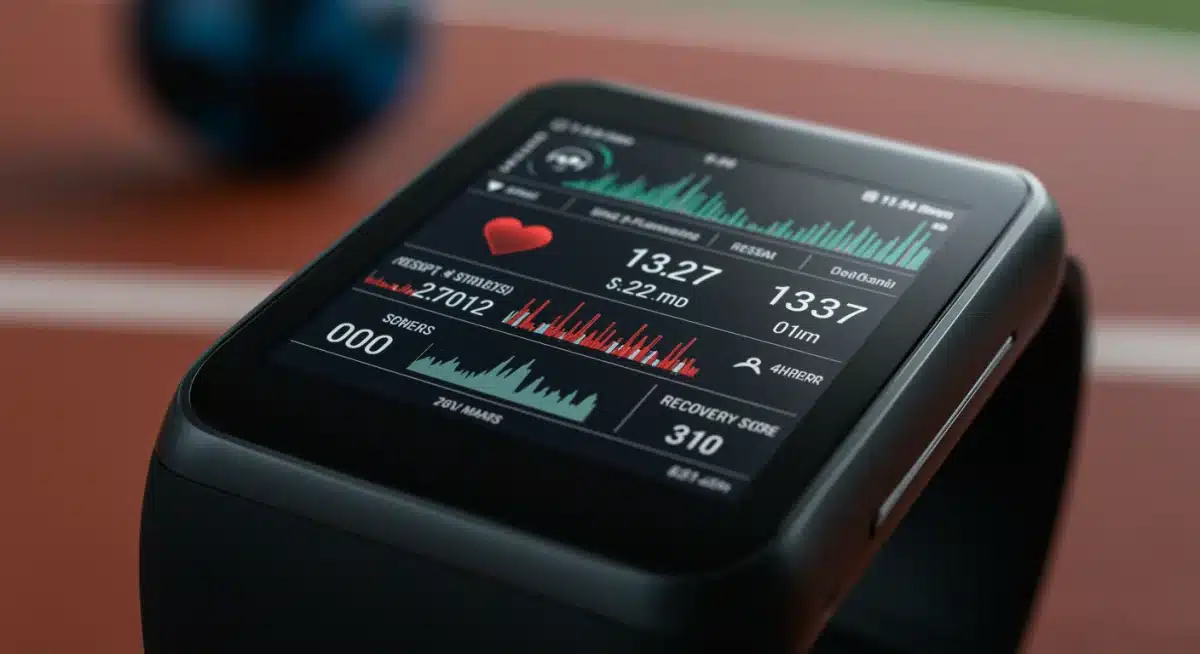
Whoop has carved a niche by prioritising recovery and sleep tracking, offering detailed insights into an athlete’s physiological state.
Its subscription-based model provides continuous, personalised feedback on strain, recovery, and sleep quality.
For US athletes focused on optimising their rest and preventing overtraining, Whoop’s data-driven approach offers a unique advantage. The accuracy of its recovery scores, derived from HRV and sleep data, is frequently cited as a key differentiator.
Apple Watch Ultra: Integrated Ecosystem
The Apple Watch Ultra, with its rugged design and advanced health sensors, presents a compelling option for athletes embedded in the Apple ecosystem.
It offers a wide array of fitness tracking features, including precise GPS, advanced heart rate monitoring, and temperature sensing.
Its seamless integration with other Apple devices and a vast app store provide extensive customisation and data analysis options.
For athletes who value a unified tech experience and broad functionality, the Apple Watch Ultra is a strong contender in Wearable Tech.
The Role of AI and Machine Learning in Data Interpretation
The sheer volume of data collected by Wearable Tech devices requires sophisticated analysis to be truly useful for athletes. This is where artificial intelligence (AI) and machine learning (ML) play a transformative role, converting raw numbers into actionable insights.
AI algorithms can identify subtle patterns in an athlete’s data that might indicate impending fatigue, illness, or improvements in fitness, offering predictive analytics for training adjustments. This moves beyond simple data reporting to provide proactive recommendations.
For US athletes, this means a more intelligent training partner that can help prevent overtraining, optimise recovery, and fine-tune performance strategies based on individual physiological responses.
Personalised Training Recommendations
AI-powered platforms can analyse an athlete’s historical performance, recovery metrics, and current physiological state to generate highly personalised training recommendations.
These recommendations adapt in real-time, responding to changes in sleep, stress, and activity levels.
This level of customisation ensures that training loads are appropriate, reducing the risk of injury while maximising performance gains. Such intelligent feedback is invaluable for athletes striving for peak condition.
Predictive Analytics for Injury Prevention
- Early Warning Systems: Identifying subtle physiological markers that precede common athletic injuries.
- Fatigue Monitoring: Detecting cumulative fatigue before it leads to performance decrements.
- Recovery Optimisation: Suggesting optimal rest periods and active recovery strategies.
- Performance Forecasting: Predicting potential performance peaks and troughs based on historical data.
One of the most significant advantages of AI in Wearable Tech is its capacity for predictive analytics, particularly concerning injury prevention.
By continuously monitoring various biomarkers, AI can flag potential issues before they manifest as full-blown injuries.
This proactive approach allows athletes and their support teams to intervene early, adjusting training or seeking medical attention, thereby extending careers and enhancing overall well-being. The ability to foresee and mitigate risks is a game-changer for competitive sports.
Challenges and Limitations in Wearable Tech Accuracy
Despite significant advancements, Wearable Tech still faces challenges regarding data accuracy and reliability. Factors such as skin tone, placement of the device, motion artefacts, and individual physiological differences can all influence sensor readings.
Environmental factors, including extreme temperatures or humidity, can also affect device performance and the integrity of the data collected. Athletes must be aware of these limitations and understand how they might impact the insights provided by their wearables.
Continuous calibration and validation against clinical-grade instruments remain crucial for ensuring that the data used for critical athletic decisions is as precise as possible, reducing the margin for error.
Environmental and User-Specific Variances
The accuracy of optical heart rate sensors, for example, can be influenced by skin perfusion, hair density, and even the tightness of the strap.
These variables mean that what works perfectly for one athlete might be less accurate for another.
Similarly, GPS accuracy can degrade in urban canyons or densely forested areas, presenting challenges for athletes training in varied terrains. Understanding these user and environmental specificities is key to interpreting wearable data correctly.
Comparative Analysis: Accuracy by Metric
Our comprehensive analysis of Wearable Tech for US athletes delves into the accuracy of specific metrics across different devices.
This detailed comparison aims to highlight which devices excel in particular areas, allowing athletes to choose based on their most critical data needs.
We examine head-to-head comparisons of heart rate monitoring precision during high-intensity exercise, the consistency of sleep staging algorithms, and the reliability of advanced recovery metrics. This granular approach provides a clearer picture of each device’s strengths and weaknesses.
Understanding these distinctions is vital, as an athlete’s priority might be impeccable GPS tracking for ultramarathons, or precise sleep analysis for optimal recovery, influencing their ultimate device selection.
Heart Rate Monitoring under Stress
During intense workouts, the accuracy of optical heart rate sensors can be compromised by movement artefacts and rapid changes in heart rate.
Chest strap monitors generally maintain higher accuracy in these conditions, but integrated optical sensors are rapidly improving.
Devices from brands like Polar and Wahoo, which also offer chest strap options, often provide the most reliable heart rate data for athletes requiring clinical-grade precision.
However, newer optical sensors from Apple, Garmin, and Whoop are closing the gap significantly, offering convenience without drastically sacrificing accuracy.
Sleep Tracking and Recovery Scores
- Sleep Stages: Deep, REM, Light sleep accuracy, crucial for understanding recovery.
- Sleep Disturbances: Detection of restless periods and awakenings.
- Recovery Score Algorithms: How different devices interpret physiological data to provide actionable recovery insights.
- Temperature Sensing: Basal body temperature for deeper sleep and health insights.
Sleep is a cornerstone of athletic recovery, and the accuracy of sleep tracking varies widely. Devices that combine heart rate variability, skin temperature, and movement data typically offer more comprehensive and reliable sleep stage analysis.
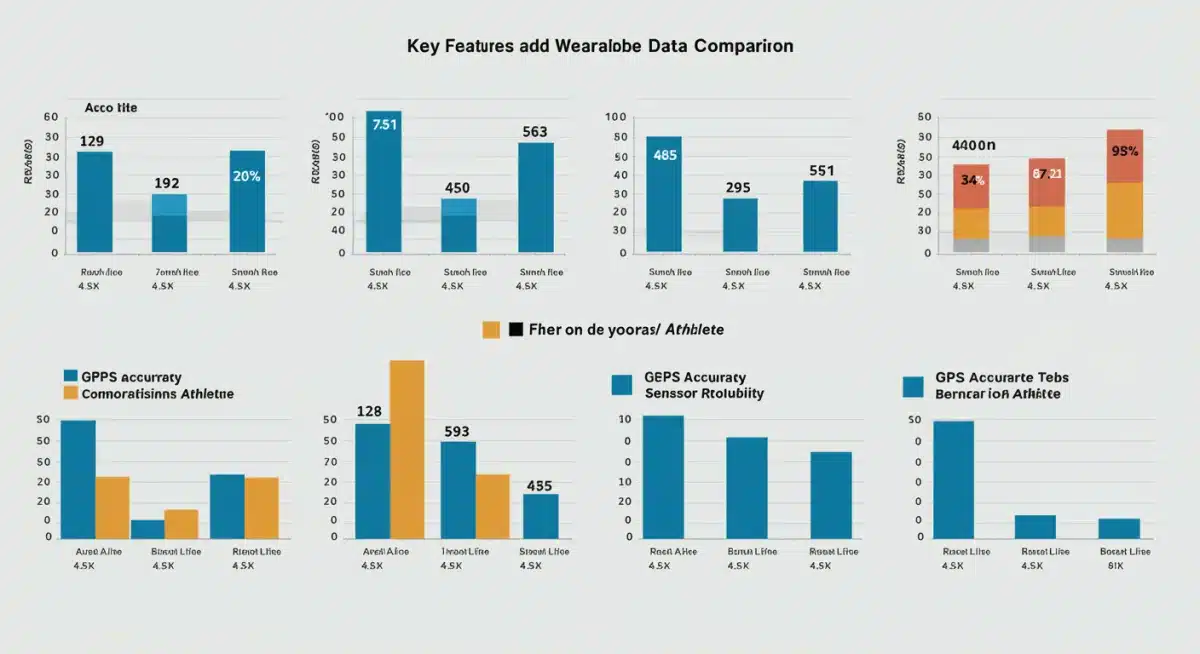
Whoop and Oura Ring are often cited for their superior sleep and recovery insights, leveraging advanced algorithms to provide actionable feedback. However, newer iterations of Garmin and Apple Watch also offer competitive features in this domain.
Future Trends in Wearable Tech for Athletes
Looking beyond 2026, the future of Wearable Tech for US athletes promises even more sophisticated and integrated solutions. Emerging trends include non-invasive glucose monitoring, advanced hydration tracking, and predictive analytics for mental well-being.
Miniaturisation of sensors and integration into clothing or even implantable devices could redefine how athletes collect and interact with their health data. The focus will increasingly shift towards holistic health management, encompassing physical, mental, and nutritional aspects.
These advancements will further empower athletes to take control of their health and performance, driving a new era of personalised training and preventative care in sports.
Integration with Smart Textiles and Implants
The next frontier involves embedding sensors directly into athletic apparel, providing unobtrusive and continuous data collection without the need for traditional wrist-worn devices.
This could offer superior contact and potentially more accurate readings.
Furthermore, research into minimally invasive or even implantable sensors could provide ultra-precise, long-term monitoring of biomarkers previously only accessible through clinical settings. Such innovations could revolutionise how athletes approach health and performance.
| Key Metric | Leading Devices for Accuracy |
|---|---|
| Heart Rate Variability (HRV) | Whoop, Oura Ring, Garmin (with chest strap) |
| GPS Tracking | Garmin Fenix/Forerunner series, Apple Watch Ultra |
| Sleep Analysis | Whoop, Oura Ring, Google Fitbit Sense |
| Recovery Scores | Whoop, Garmin (Body Battery), Oura Ring |
Frequently Asked Questions on Wearable Tech Monitoring 2026
For peak accuracy during intense training, chest strap monitors from brands like Polar and Wahoo remain the gold standard. However, optical sensors in devices like the Apple Watch Ultra and newer Garmin models have significantly improved, offering reliable data for most athletic activities without a chest strap.
Highly important. Accurate sleep tracking, including sleep stages and disturbances, directly impacts an athlete’s recovery and readiness for training. Devices like Whoop and Oura Ring excel in this area, providing critical insights for optimising rest and preventing overtraining. Quality sleep is foundational to athletic success.
Yes, through advanced predictive analytics and continuous monitoring of physiological markers. AI-powered wearable tech can identify subtle signs of fatigue or stress before they lead to injury. This allows athletes and coaches to adjust training loads proactively, significantly reducing injury risk and promoting long-term health.
AI and machine learning are crucial for converting vast amounts of raw data into actionable insights. They provide personalised training recommendations, detect patterns indicative of fatigue or illness, and offer predictive analytics for injury prevention, making the data truly useful for optimising athletic performance and health management.
Yes, while advanced, factors like skin tone, device placement, motion during exercise, and environmental conditions can still affect sensor accuracy. Athletes should be aware of these variables and understand that continuous validation against clinical-grade instruments is ideal for critical decisions regarding their health and training.
Looking Ahead: The Future Impact on US Athletes
The insights gleaned from this Wearable Tech comparison underscore a transformative period for US athletes. The continuous evolution of these devices, especially with enhanced data accuracy and AI integration, means a more precise, personalised, and proactive approach to health and performance.
Athletes will increasingly rely on these tools not just for tracking, but for intelligent guidance that adapts to their unique physiological responses and training demands. The focus on predictive analytics for injury prevention and optimal recovery will become standard, shifting the paradigm from reactive treatment to proactive health management.
As technology advances, the line between consumer wearables and medical-grade devices will blur, offering unparalleled opportunities for athletes to unlock their full potential while safeguarding their long-term well-being.