Exercise Recovery 2026: 5 Innovative Methods for Athletes
Advertisements
Exercise Recovery in 2026 continues to centre on fundamentals such as adequate sleep, hydration, nutrition, and appropriate rest between demanding training sessions. The American College of Sports Medicine highlights protein intake, fluids, and quality sleep as key components of effective recovery.
Recent research is also refining how specific recovery methods should be used. Studies indicate that cold-water immersion may influence inflammation and wellbeing, but frequent use immediately after resistance training could reduce muscle blood flow and blunt processes involved in muscle adaptation.
Readers should monitor emerging evidence on sleep optimization, protein timing, and personalized recovery strategies rather than relying on a single technique. A 2026 review of young adult athletes reinforces the importance of sufficient sleep for performance, recovery, and mental wellbeing.
Advertisements
The Dawn of Accelerated Exercise Recovery in 2026
The sports world is witnessing a paradigm shift in how athletes manage their physical and mental well-being post-exertion. Traditional methods are being augmented, and in some cases, replaced, by advanced scientific approaches designed to optimise the body’s natural repair processes.
This evolution is not merely incremental; it represents a significant leap forward, driven by an imperative to maximise performance longevity and minimise injury risk. The focus on cutting downtime by a targeted 30% underscores the competitive edge these innovations provide.
As we delve into 2026, the commitment to superior exercise recovery is evident across elite sports organisations and individual athletes in the US. These methods are no longer experimental; they are integrated components of comprehensive training regimens.
Hyper-Personalised Nutritional Strategies
One of the most impactful innovations in Exercise Recovery involves hyper-personalised nutritional strategies. Athletes are now receiving dietary plans meticulously tailored to their individual genetic makeup, metabolic rates, and the specific demands of their sport.
This goes far beyond generic protein shakes; it includes custom-compounded supplements, precision timing of nutrient intake, and even microbiome-optimising diets. The goal is to accelerate cellular repair, reduce inflammation, and restore energy reserves with unprecedented efficiency.
Leading sports nutritionists are employing advanced diagnostics, including regular blood panels, genetic testing, and continuous glucose monitoring, to fine-tune these recovery protocols. This data-driven approach ensures that every calorie and supplement contributes optimally to the athlete’s recovery journey.
Genetic-Based Dietary Adjustments
Genetic profiling now informs specific dietary recommendations, identifying predispositions to nutrient deficiencies or sensitivities that could impede recovery. Athletes receive bespoke meal plans designed to complement their unique biological blueprint.
For example, some athletes might require higher omega-3 intake due to specific genetic markers related to inflammation, while others might benefit from particular amino acid profiles for faster muscle repair. This level of detail ensures that nutrition is a proactive, rather than reactive, recovery tool.
The integration of nutrigenomics into daily athletic life signifies a profound shift, moving from generalized advice to highly specific, actionable dietary interventions. This precision is a cornerstone of effective exercise recovery in 2026.
- Individualised macronutrient ratios based on genetic and metabolic testing.
- Targeted micronutrient supplementation addressing specific deficiencies.
- Optimisation of meal timing around training for peak absorption and repair.
Advanced Biometric Monitoring and AI Analytics
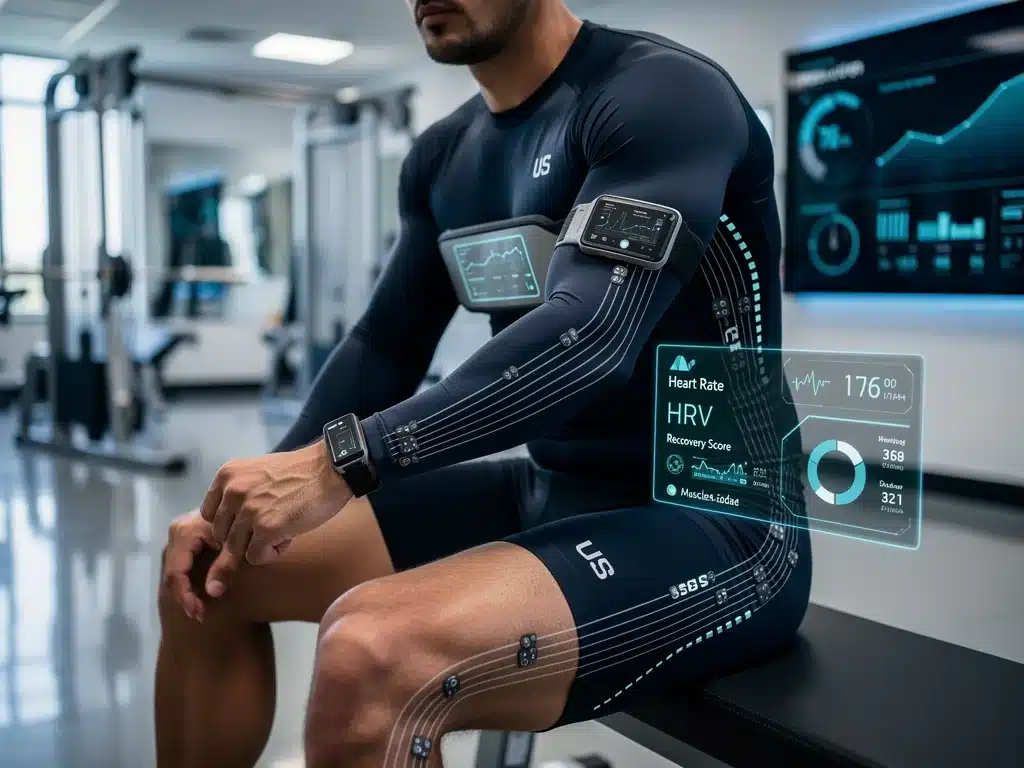
The second key innovation driving Exercise Recovery is the pervasive use of advanced biometric monitoring coupled with artificial intelligence (AI) analytics. Wearable devices have evolved to collect a multitude of physiological data points in real-time.
These devices track everything from heart rate variability (HRV) and sleep quality to muscle oxygenation and core body temperature. AI algorithms then process this vast amount of data to provide predictive insights into an athlete’s recovery status and potential for overtraining.
Coaches and medical staff receive actionable recommendations, allowing for immediate adjustments to training loads, recovery interventions, and even travel schedules. This proactive management prevents burnout and optimises readiness for competition.
Predictive Recovery Insights
AI models are now sophisticated enough to predict an athlete’s recovery trajectory based on accumulated training stress and individual physiological responses. This predictive capability allows for pre-emptive adjustments, avoiding performance plateaus or injuries.
For instance, if an athlete’s HRV shows a consistent downward trend over several days, the AI might flag a need for reduced intensity or an additional recovery day. This level of foresight is invaluable in high-performance environments.
The continuous feedback loop between biometric data and AI analysis empowers athletes and their support teams to make informed decisions daily, ensuring recovery is always prioritised and tailored to current needs.
Cryotherapy and Thermoregulation Protocols
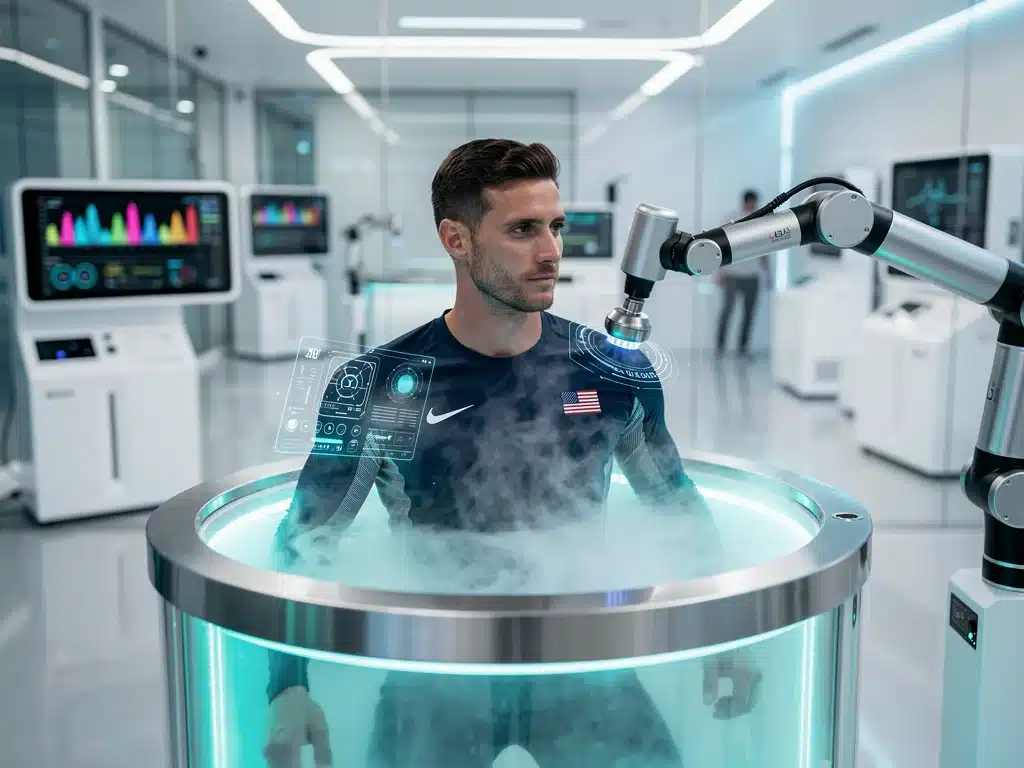
Cryotherapy and advanced thermoregulation protocols represent the third significant method contributing to Exercise Recovery. Whole-body cryotherapy, once a niche treatment, is now a standard practice.
Beyond traditional cold plunges, next-generation cryo-chambers offer precise temperature control and shorter exposure times, making them more efficient and accessible. These treatments significantly reduce muscle soreness, inflammation, and accelerate tissue repair.
Furthermore, innovative thermoregulation garments and cooling systems are being used during and after workouts. These technologies maintain optimal body temperature, preventing overheating and aiding in faster physiological normalisation post-exercise.
Targeted Cold and Heat Therapies
Athletes are also utilising localised cryotherapy units and contrast therapy (alternating hot and cold exposure) to target specific muscle groups or injury sites. This precision allows for focused recovery where it’s most needed.
Infrared saunas, offering deep tissue heating without excessive ambient temperatures, are also gaining traction for their ability to promote detoxification and relaxation, further aiding the recovery process. The combination of these modalities creates a powerful recovery arsenal.
The scientific understanding of how cold and heat impact cellular repair and blood flow has advanced considerably, leading to more strategic and effective application of these thermoregulatory techniques in 2026.
Neuromuscular Electrical Stimulation (NMES) and Percussive Therapy
The fourth innovative method in Exercise Recovery involves the sophisticated application of Neuromuscular Electrical Stimulation (NMES) and advanced percussive therapy devices. These tools are no longer just for physical therapy but are integral to daily recovery routines.
NMES devices now feature AI-driven programmes that adapt to an athlete’s muscle fatigue levels, promoting blood flow, reducing swelling, and stimulating muscle contractions without imposing mechanical stress. This helps flush metabolic waste and accelerate nutrient delivery.
Percussive therapy tools, like advanced massage guns, have become more ergonomic, powerful, and precise. They are used to break up muscle knots, increase range of motion, and reduce post-exercise stiffness, directly contributing to faster return-to-play.
Smart Muscle Recovery Devices
The latest NMES devices integrate with biometric data, adjusting intensity and frequency based on real-time muscle readiness. This smart integration ensures that the electrical impulses are always therapeutic and never counterproductive.
Similarly, percussive devices now come with various attachments and pressure sensors, allowing athletes to target deep tissue or sensitive areas with optimal force. These devices empower athletes to perform self-myofascial release effectively and consistently.
The accessibility and efficacy of these smart muscle recovery tools mean athletes can perform crucial recovery work independently, anytime and anywhere, significantly impacting their overall downtime reduction.
Regenerative Therapies and Bio-Hacking

Finally, the fifth and perhaps most cutting-edge method in Exercise Recovery encompasses regenerative therapies and advanced bio-hacking techniques. These methods aim to repair and rejuvenate tissues at a cellular level, pushing the boundaries of what’s possible in recovery.
Platelet-Rich Plasma (PRP) injections and stem cell therapies, once experimental, are becoming more refined and targeted for specific injuries and chronic inflammation. These treatments harness the body’s natural healing capabilities to accelerate recovery from significant tissue damage.
Beyond injections, athletes are exploring various forms of light therapy, including red light and near-infrared light, to stimulate mitochondrial function and reduce oxidative stress. This cellular-level intervention aims to enhance overall recovery and resilience.
The Future of Cellular Repair
Bio-hacking extends to optimising sleep environments with smart beds and light-filtering technologies that align with circadian rhythms, ensuring restorative sleep is maximised. Hyperbaric oxygen therapy (HBOT) is also increasingly used to deliver high concentrations of oxygen to tissues, promoting faster healing.
These advanced therapies, while often costly, offer significant advantages for elite athletes seeking every possible edge in performance and recovery. The ethical considerations are continuously debated, but the therapeutic benefits are becoming undeniable.
The integration of these regenerative and bio-hacking approaches is redefining the upper limits of exercise recovery, promising not just faster healing but enhanced tissue quality and resilience for athletes in 2026 and beyond.
| Key Method | Impact on Downtime |
|---|---|
| Hyper-Personalised Nutrition | Accelerates cellular repair and reduces inflammation through bespoke dietary plans. |
| Advanced Biometric Monitoring | Provides predictive insights for proactive training and recovery adjustments. |
| Cryotherapy & Thermoregulation | Minimises muscle soreness and accelerates tissue repair with precise temperature control. |
| Regenerative Therapies | Repairs tissues at a cellular level, enhancing healing and resilience. |
Frequently Asked Questions About Athlete Recovery
These innovative methods, when combined, create a synergistic effect that targets recovery from multiple angles. By optimising nutrition, monitoring biometrics, reducing inflammation, and accelerating cellular repair, athletes can return to peak performance significantly faster than with traditional approaches, achieving substantial reductions in downtime.
Currently, many of the most advanced techniques, especially regenerative therapies and highly personalised protocols, are primarily accessible to elite professional athletes due to cost and specialised equipment. However, simpler versions of biometric monitoring and percussive therapy are becoming more widely available to amateur and recreational athletes.
AI is crucial for processing vast amounts of biometric data from wearables, providing predictive analytics on an athlete’s recovery status. It helps identify patterns, predict potential issues like overtraining, and recommend optimal recovery interventions, making recovery protocols highly data-driven and dynamic.
Unlike standard sports nutrition, personalised strategies in 2026 use genetic, metabolic, and microbiome data to create bespoke dietary plans. This precision addresses individual nutrient needs, sensitivities, and metabolic pathways, ensuring maximum efficacy for cellular repair and energy restoration, far beyond a one-size-fits-all approach.
Yes, ethical considerations surrounding regenerative therapies, such as PRP and stem cell treatments, include ensuring equitable access, preventing misuse for performance enhancement beyond natural limits, and the long-term safety of these relatively new interventions. Ongoing research and regulatory oversight are vital to address these concerns responsibly.
Looking Ahead: The Future of Athlete Performance
The advancements in Exercise Recovery signal a transformative era for sports. These innovations are not just about faster healing; they represent a holistic approach to athlete well-being, pushing the boundaries of human potential.
As these technologies become more refined and accessible, we can anticipate even greater reductions in downtime and an increased emphasis on preventive care. The integration of data, biology, and technology will continue to redefine what it means to be an athlete in the 21st century.
Monitoring further developments in this field will be crucial for anyone involved in sports, from professional teams to individual fitness enthusiasts, as the strategies for optimal performance and longevity continue to evolve at an unprecedented pace.