The 2026 Evolution of Sportswear Materials: 5 Eco-Friendly Fabrics to Know
Advertisements
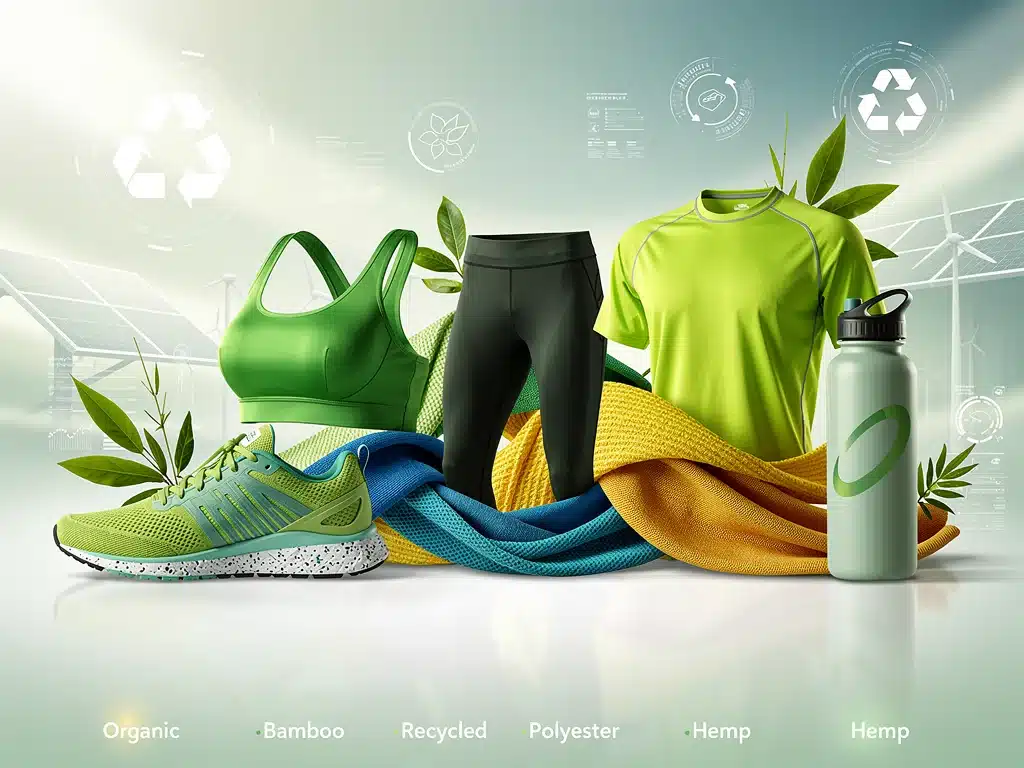
Can your workout gear deliver elite athletic performance without leaving a permanent footprint on the planet? The ongoing evolution of sportswear materials is proving that high-compression stretch, sweat-wicking tech, and environmental responsibility no longer have to be mutually exclusive.
Next-generation textile innovations are rapidly transforming activewear production from petroleum-heavy synthetics to closed-loop bio-polymers, plant-derived nylons, and circular knits.
These cutting-edge fabrics match the breathability and elasticity of virgin polyester while dramatically slashing carbon emissions and ocean microplastic waste.
Advertisements
Whether you are building a sustainable athleisure wardrobe or sourcing eco-friendly performance gear, understanding these textile advances is essential. Here are five groundbreaking materials reshaping modern sports apparel this year.
The Green Revolution in Athletic Apparel
The sportswear industry is undergoing a profound transformation, driven by an urgent demand for sustainability and performance. As we approach 2026, the focus intensifies on innovative materials that minimise environmental impact without compromising athletic functionality.
This shift is not merely a trend but a fundamental recalibration of production and consumption paradigms. Brands are investing heavily in research and development to integrate eco-friendly solutions across their entire product lifecycle.
The imperative to address climate change and reduce waste is pushing manufacturers to explore novel fibres and textile processes. This proactive approach ensures that the 2026 evolution of sportswear materials will be defined by ecological responsibility.
Leading textile innovators and global brands are at the forefront of this change, introducing groundbreaking fabrics that promise a more sustainable future for athletic wear. These advancements are critical for meeting consumer expectations and regulatory pressures alike.
The integration of these materials into mainstream production signifies a pivotal moment for the industry. It demonstrates a commitment to reducing the ecological footprint associated with sportswear manufacturing.
Recycled Polyester: A Sustainable Staple
Recycled polyester, or rPET, continues to be a cornerstone of sustainable sportswear. Its production significantly reduces energy consumption and diverts plastic waste from landfills and oceans.
Brands like Nike and Adidas have long championed rPET, incorporating it into a vast array of their athletic apparel.
The technology for recycling plastic bottles into high-performance fabric has matured, offering durability and moisture-wicking properties comparable to virgin polyester.
- Reduced plastic waste in landfills and oceans.
- Lower energy consumption in manufacturing.
- Maintains high performance and durability.
- Versatile for various sportswear applications.
The supply chain for recycled polyester is becoming increasingly robust, with innovations in chemical recycling promising even higher quality and broader application. This ensures rPET remains a key player in the 2026 evolution of sportswear materials.
Tencel Lyocell: Nature’s Performance Fibre
Tencel Lyocell, derived from sustainably sourced wood pulp, represents another significant stride in eco-friendly textiles for sportswear. Its closed-loop production process minimises water and chemical usage, making it an environmentally responsible choice.
Known for its exceptional softness, breathability, and moisture absorption, Tencel Lyocell offers superior comfort for athletes. These properties make it ideal for base layers and activewear where skin comfort is paramount.
The fibre’s smooth surface also inhibits bacterial growth, providing natural odour control, an invaluable benefit for athletic garments. This natural functionality positions it strongly in the 2026 evolution of sportswear materials.
As consumer demand for natural fibres grows, Tencel Lyocell provides a compelling alternative to synthetic options. Its biodegradability further enhances its appeal as a truly sustainable material.
Hemp: The Resilient and Renewable Choice
Hemp is rapidly gaining recognition as a high-performance, eco-friendly fabric for sportswear due to its remarkable durability and minimal environmental footprint. It requires significantly less water and no pesticides to grow compared to conventional cotton.
Historically overlooked, modern textile processing techniques are transforming hemp into softer, more pliable fabrics suitable for athletic wear. Its natural strength and breathability make it an excellent choice for robust training gear.
The fibre also offers natural UV resistance and antimicrobial properties, adding functional benefits for outdoor and active pursuits. These inherent qualities make it a strong contender in the 2026 evolution of sportswear materials.
Brands are experimenting with hemp blends to combine its ruggedness with the softness of other fibres, creating versatile and comfortable apparel. This adaptability underscores its potential to become a mainstream sportswear material.
Bio-Based Synthetics: Innovation from Nature
Bio-based synthetics, derived from renewable sources such as corn, castor beans, or sugarcane, are emerging as a crucial category in the 2026 evolution of sportswear materials. These innovations offer the performance characteristics of traditional synthetics but with a reduced reliance on fossil fuels.
Polylactic Acid (PLA), derived from corn starch, is one such example, offering moisture-wicking and quick-drying properties suitable for activewear. Its biodegradable nature further enhances its environmental credentials.
Another notable material is castor bean oil-based polyamide, which provides excellent elasticity and durability, making it ideal for high-stretch athletic garments. These materials represent a significant step towards a circular economy in textiles.
The development of these bio-based alternatives is a testament to the industry’s commitment to innovation and sustainability. They bridge the gap between natural fibres and high-performance synthetics, offering the best of both worlds.

Seaweed Fibre: Ocean’s Gift to Sportswear
Seaweed fibre, an innovative textile derived from renewable marine algae, is making waves in the sustainable sportswear market. Its production process is environmentally friendly, often requiring minimal water and no harmful chemicals.
This fibre boasts impressive properties, including exceptional breathability, softness, and a natural cooling effect, which are highly beneficial for athletic performance. It also contains vitamins and minerals that can be absorbed by the skin, offering potential health benefits.
The natural antimicrobial properties of seaweed fibre help to inhibit odour-causing bacteria, providing a fresh feel during intense workouts. This unique combination of benefits positions it as a premium choice for the 2026 evolution of sportswear materials.
As research continues, the potential applications for seaweed fibre are expanding, from activewear to performance accessories. Its regenerative source and functional advantages make it a truly compelling sustainable option.
Mycelium-Based Leather Alternatives: The Future of Footwear
While not strictly a fabric, mycelium-based leather alternatives, derived from fungi, are poised to revolutionise sportswear footwear and accessories. This material offers a sustainable, animal-free option with comparable durability and aesthetic qualities to traditional leather.
The cultivation of mycelium requires significantly less land, water, and emits fewer greenhouse gases than conventional leather production. This makes it a highly attractive option for brands committed to reducing their environmental footprint.
Companies like Bolt Threads are already partnering with major sportswear brands to integrate these innovative materials into their product lines. This signals a significant shift towards bio-fabricated components in athletic footwear.
The ability to grow and customise mycelium-based materials offers unprecedented design flexibility and efficiency. This innovation is crucial for the broader 2026 evolution of sportswear materials, extending beyond apparel to footwear components.
Piñatex: Pineapple Leaf Power
Piñatex, a natural leather alternative made from cellulose fibres extracted from pineapple leaves, offers another compelling sustainable option for sportswear accessories and footwear details. It repurposes agricultural waste, creating a valuable material from what would otherwise be discarded.
This durable and flexible material provides a unique texture and is breathable, making it suitable for elements within athletic shoes or bags. Its eco-friendly credentials align perfectly with the industry’s push for circularity.
The material’s production supports pineapple farming communities by providing an additional income stream from agricultural by-products. This socio-economic benefit further enhances its appeal as a responsible choice.
As brands seek innovative, plant-based solutions, Piñatex stands out as a versatile and environmentally conscious material. Its role in the 2026 evolution of sportswear materials is set to expand beyond niche applications.

The Impact of Consumer Demand and Regulatory Shifts
Consumer awareness regarding environmental issues is rapidly increasing, driving demand for sustainable products across all sectors, including sportswear. This pressure from consumers is a major catalyst for the 2026 evolution of sportswear materials.
Regulatory bodies globally are also implementing stricter environmental standards, pushing brands to adopt more responsible manufacturing practices. These policies often target waste reduction, chemical use, and carbon emissions.
The combination of consumer demand and regulatory shifts creates a powerful incentive for brands to innovate and integrate eco-friendly fabrics. Those that fail to adapt risk losing market share and facing legal repercussions.
The industry’s response reflects a proactive stance, with many companies not just complying with regulations but exceeding them. This commitment to sustainability is reshaping the entire value chain of sportswear production.
| Key Material | Key Benefit |
|---|---|
| Recycled Polyester | Reduces plastic waste, energy efficient, maintains performance. |
| Tencel Lyocell | Sustainable wood pulp, breathable, soft, odour control. |
| Hemp | Low water, no pesticides, durable, UV/antimicrobial. |
| Bio-Based Synthetics | Renewable sources, reduced fossil fuel reliance, performance. |
Frequently Asked Questions About Sustainable Sportswear
An eco-friendly fabric minimises environmental impact throughout its lifecycle, from raw material sourcing to disposal. This includes using renewable resources, reducing water and energy consumption, avoiding harmful chemicals, and promoting biodegradability or recyclability. Such materials are central to the 2026 evolution of sportswear materials.
These eco-friendly fabrics are specifically engineered to match or even surpass the performance of traditional materials. They offer attributes like superior moisture-wicking, breathability, durability, and comfort, ensuring athletes do not compromise on performance while making sustainable choices. The 2026 evolution of sportswear materials prioritises this balance.
Initially, some eco-friendly materials may have higher production costs due to research and development or smaller scale manufacturing. However, as demand increases and technologies advance, economies of scale are reducing prices, making sustainable sportswear more accessible to a broader consumer base. This is a key factor in the 2026 evolution of sportswear materials.
Consumers should look for certifications from reputable organisations, transparent supply chain information from brands, and clear labelling about material composition. Researching brand commitments to sustainability and understanding the lifecycle of their products can also help in making informed choices regarding the 2026 evolution of sportswear materials.
The future is bright, with ongoing research into new bio-based materials, advanced recycling technologies, and circular design principles. The industry is moving towards a fully sustainable model where performance and environmental responsibility are intrinsically linked, shaping the long-term 2026 evolution of sportswear materials and beyond.
Looking Ahead: The Sustainable Horizon
The 2026 evolution of sportswear materials is not merely an incremental change but a foundational shift towards a more sustainable and responsible industry.
The adoption of eco-friendly fabrics like recycled polyester, Tencel Lyocell, hemp, bio-based synthetics, and seaweed fibre demonstrates a clear commitment to environmental stewardship.
This ongoing transition will continue to be driven by innovation, consumer demand, and evolving regulatory landscapes.
Brands that embrace these sustainable materials and practices will not only meet future challenges but also lead the way in shaping a greener future for athletic apparel.
Monitoring advancements in textile science and supply chain optimisation will be crucial as the industry progresses towards fully circular models.
The impact and implications of the 2026 evolution of sportswear materials extend far beyond fashion, influencing global resource management and consumer consciousness.