Givenchy’s 2026 Ready-to-Wear: 6 Looks Defining Contemporary Elegance
Advertisements
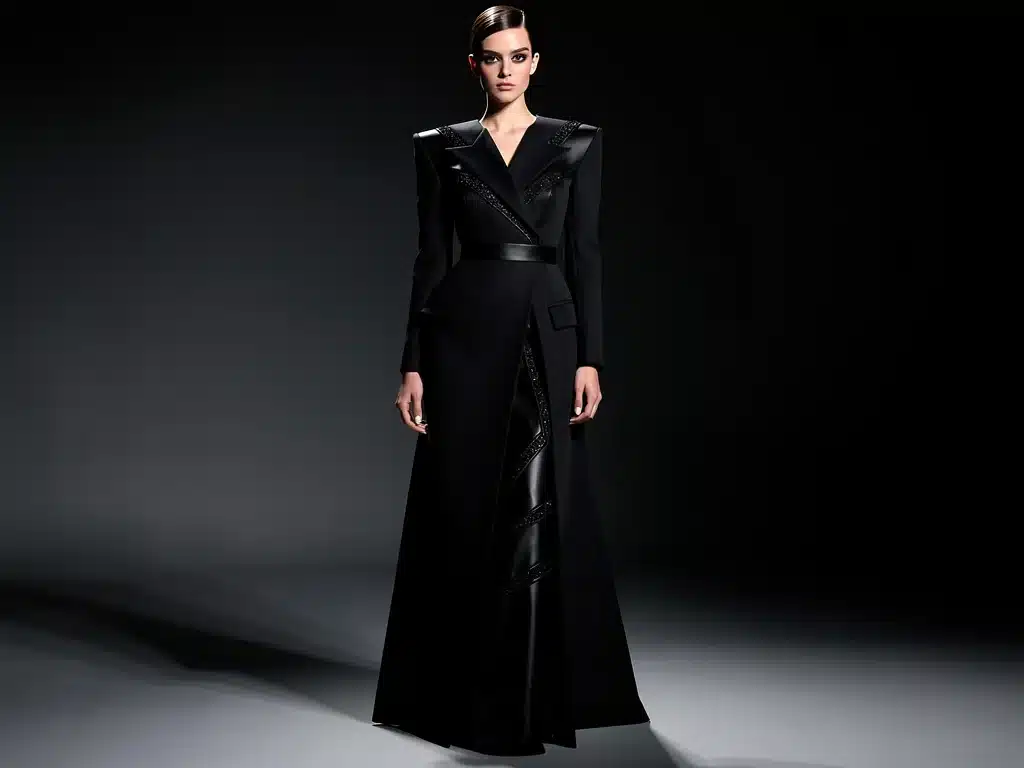
Givenchy 2026 explores powerful femininity through sharp tailoring, exposed skin, sculptural shapes and a deliberate tension between dressing and undressing.
Sarah Burton’s Spring-Summer 2026 womenswear collection develops the design language she introduced after taking creative direction of the French house.
Six opening looks offer a clear way to understand that vision, moving from the little black dress to sliced tailoring and controlled contrasts.
Advertisements
Givenchy 2026 and Sarah Burton’s Powerful Femininity
The central idea behind Givenchy 2026 is powerful femininity, approached through different archetypes rather than one fixed definition of elegance.
Burton described the collection as an exploration of tailoring stripped back to reveal skin, lightness and a greater sense of ease.
The result combines structure and exposure, allowing precise construction to coexist with softer gestures and intentionally incomplete-looking forms.
Why the Collection Feels Different
Instead of relying only on conventional power dressing, the collection repeatedly cuts into familiar garments and exposes areas normally concealed by tailoring.
That approach creates a dialogue between control and freedom, with polished surfaces interrupted by openings, asymmetric cuts and unexpected proportions.
It also connects naturally with wider conversations about how fashion can move beyond rigid categories of dress.
Look One: The Little Black Dress
The first officially identified look is a little black dress made from black duchesse satin, immediately establishing the collection’s controlled sensuality.
Rather than treating the little black dress as a neutral basic, Burton uses cut and structure to make the familiar silhouette feel more assertive.
The lustrous satin adds visual weight, while the restrained palette allows the construction itself to become the main source of interest.
A Familiar Givenchy Code Reworked
The black dress has deep associations with Givenchy, making it an effective starting point for Burton’s reinterpretation of the house.
Her version does not depend on heavy decoration, instead using proportion, exposure and fabric to create tension within a recognizable category.
This balance between historical familiarity and contemporary construction becomes one of the strongest recurring ideas throughout the collection.
Look Two: The Cocoon Body
The second look shifts from satin to a black engineered viscose knit formed into what Givenchy officially describes as a cocoon body.
Its close relationship with the body introduces a different type of structure, created through engineered knit rather than traditional tailoring.
The result reinforces Burton’s interest in how clothing can both frame the body and expose its natural shape without excessive ornament.
Knitting as Structure
Engineered knit allows form to emerge through construction and tension rather than relying entirely on seams or rigid internal components.
That makes the garment feel simultaneously controlled and flexible, supporting the broader theme of strength expressed through softness and movement.
It also demonstrates how Givenchy 2026 moves between tailoring and body-conscious dressing without treating them as opposing ideas.
Look Three: The Sliced Tailored Dress
The third official look is a sliced tailored dress constructed from black wool grain de poudre, bringing classic suiting fabric into a more disrupted form.
Burton’s use of slicing changes how the tailored surface relates to the body, revealing skin where conventional construction would normally provide coverage.
This intervention turns tailoring into something less defensive and more fluid, while retaining the precision associated with formal dressmaking.
Tailoring Without Rigidity
The look illustrates Burton’s stated intention to peel back the structure of tailoring rather than simply abandon traditional construction techniques.
Its strength comes from knowing exactly where structure remains necessary and where removing fabric can create a more immediate physical presence.
This controlled deconstruction is more accurate to the collection than describing its direction simply as oversized or androgynous tailoring.
Look Four: The Pink Cape-Back Dress
The fourth official look introduces colour through a sliced cape-back dress made from pink silk duchesse satin.
The move from black to pink changes the emotional register while retaining the collection’s interest in sculptural surfaces and strategic openings.
The cape-back construction adds movement behind the body, allowing a formal material to appear lighter as the wearer moves.
Soft Colour, Strong Construction
Pink does not weaken the collection’s central idea of strength; instead, it broadens what powerful femininity can visually represent.
The structured satin and cape-like volume prevent the colour from becoming overly delicate, creating tension between softness and architectural form.
That contrast is central to Burton’s approach, which repeatedly avoids treating femininity and authority as mutually exclusive qualities.
Look Five: The Cutaway Body
The fifth look returns to knitwear with a seamless viscose cutaway body that places exposure at the centre of its construction.
Seamless knit technology allows the garment to closely follow the body while cutaway sections create deliberate interruptions in the surface.
The piece continues the collection’s dialogue between dress and undress without depending on conventional lingerie-inspired detailing.
Exposure as Part of Construction
Here, exposed skin is not simply decorative because the openings help define the actual architecture and visual rhythm of the garment.
The absence of obvious seams also makes the construction appear cleaner, keeping attention on silhouette rather than visible technical assembly.
This method reinforces the idea that sensuality within Givenchy 2026 comes from cut and proportion rather than added embellishment.
Look Six: White Shirt and Wrapped Skirt
The sixth officially described look combines a white cotton poplin shirt with a wrapped skirt in black wool mohair and white cotton poplin.
It brings familiar wardrobe elements into Burton’s system of wrapping, slicing and reassembling established forms around the body.
The contrast between crisp white cotton and darker wool mohair also creates clear separation without requiring elaborate surface decoration.
Everyday Pieces Reconsidered
The white shirt is one of fashion’s most familiar garments, which makes its reinterpretation especially effective within this collection.
By pairing it with a wrapped skirt, Burton demonstrates how recognizable pieces can become directional through proportion and construction alone.
The result feels relevant to everyday dressing while maintaining the precision expected from a luxury runway collection.
Tailoring as the Collection’s Structural Language
Tailoring remains fundamental to Sarah Burton’s Givenchy, but Spring-Summer 2026 treats structure as something that can be opened and interrupted.
Cuts through dresses and tailored surfaces reveal parts of the body while preserving enough construction for each piece to remain controlled.
This tension between containment and freedom gives the collection a more distinctive identity than conventional descriptions of power dressing suggest.
Cut, Rather Than Decoration
Many of the strongest visual effects come from the way garments are shaped, wrapped or opened rather than from layers of embellishment.
That places technical construction at the centre of the aesthetic and directs attention toward silhouette, movement and the body’s relationship with clothing.
It is also consistent with the craftsmanship traditionally associated with Givenchy while allowing Burton to establish her own visual vocabulary.
Materials Used in Givenchy Spring-Summer 2026
Official look descriptions confirm materials including duchesse satin, engineered viscose knit, wool grain de poudre, silk, cotton poplin and wool mohair.
These fabrics offer contrasting behaviours, from the sculptural body of duchesse satin to the flexibility of engineered and seamless knit structures.
The variety allows Burton to explore similar themes through substantially different techniques rather than repeating one silhouette or fabrication.
Claims About Sustainability Need Caution
The original article presented sustainability as a documented defining feature, but Givenchy’s collection statement does not make that the central narrative.
Broader industry interest in sustainable practices provides useful context, but should not be attributed specifically without supporting brand information.
For this collection, the strongest verified themes remain femininity, tailoring, dress and undress, silhouette and the construction of individual garments.
The Role of Dress and Undress
Burton explicitly describes a female vocabulary of dress and undress, making exposure a conceptual element rather than a random styling choice.
Across sliced dresses, cutaway bodies and reconstructed tailoring, areas of skin become part of how the garments communicate strength and vulnerability.
This creates a collection where sensuality is closely connected to construction instead of being applied afterward through obvious decorative devices.
Strength Without a Single Uniform
The collection does not define strength through one silhouette, moving instead between fitted bodies, formal satin and reworked wardrobe archetypes.
That variety allows femininity to appear controlled, exposed, elegant or relaxed without suggesting that only one expression is legitimate.
Burton’s own description of feminine archetypes provides a clearer framework for the collection than assigning rigid gender labels to individual looks.
Givenchy’s 2026 Retail Collection
Several runway ideas have moved into Givenchy’s commercial Spring-Summer 2026 offering, including slashed tailoring, engineered knitwear and wrapped skirts.
The current collection also extends the runway language through accessories, leather pieces, eveningwear and footwear available through the house.
This retail continuity shows how runway concepts can be translated into individual products rather than remaining isolated presentation pieces.
From Runway Concept to Wardrobe
Pieces such as the slashed tailored dress, cocoon bodysuit, poplin shirt and wrapped skirt retain direct connections to the runway presentation.
Accessories provide another entry point into Burton’s Givenchy, allowing the aesthetic to extend beyond complete runway looks.
This gives consumers several ways to engage with the collection without requiring every element of the original styling.
Givenchy 2026 Within Contemporary Luxury Fashion
The collection arrives during a period when luxury houses are reassessing the relationship between heritage codes, new creative directors and contemporary customers.
Burton’s response is not to erase Givenchy’s past, but to work through recognizable elegance using a more exposed and physically expressive construction language.
That places the collection within wider discussions surrounding the future of luxury fashion without requiring unsupported claims about market leadership.
Sarah Burton’s Developing Givenchy Identity
Spring-Summer 2026 was Burton’s second runway collection for Givenchy after the strong attention generated by her Fall 2025 debut.
The collection develops ideas already associated with her arrival, particularly sculptural tailoring, female form and a highly controlled approach to sensuality.
Rather than representing a complete break between seasons, it shows a creative vocabulary becoming more recognizable across her work for the house.
Craftsmanship Remains Central
The precision visible in satin construction, tailoring, engineered knits and wrapped garments keeps craftsmanship central to the collection’s impact.
These techniques matter because much of the visual interest depends on how fabric is cut and held rather than on obvious surface decoration.
That technical foundation allows even relatively minimal looks to maintain a strong runway presence through shape and material behaviour.
Heritage Through Technique
Givenchy’s history gives Burton a substantial couture and tailoring vocabulary to work with, even within a ready-to-wear collection.
Her approach uses that technical heritage as a foundation rather than reproducing archival designs or relying heavily on nostalgic references.
The result is contemporary but still connected to a house where precision, silhouette and elegance have long been important design values.
What the Six Looks Actually Reveal
Taken together, the six official opening descriptions provide a concise map of the main ideas running through Givenchy 2026.
Black tailoring and knitwear establish control, pink satin introduces a softer register, and poplin brings the concept closer to familiar wardrobes.
Across all six, Burton repeatedly uses cut, wrapping, exposure and disciplined construction to reconsider what feminine elegance can look like.
More Than Six Looks Were Presented
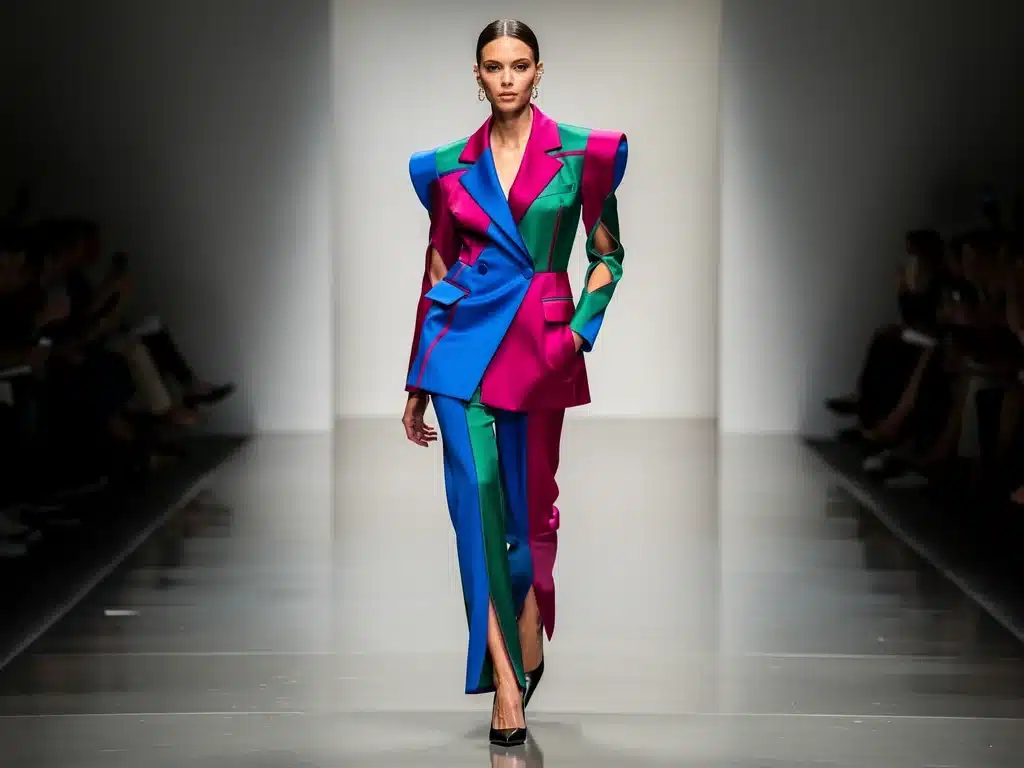
The complete Spring-Summer 2026 runway contained substantially more than six looks, so these should not be described as the entire collection.
The six featured here are useful because Givenchy itself identifies them specifically in its press material and provides their exact constructions.
Treating them as representative examples keeps the article factual while still offering a focused way to analyse the broader runway direction.
Key Takeaways From Givenchy Spring-Summer 2026
Givenchy 2026 is built around powerful femininity, with Sarah Burton exploring strength through familiar archetypes and controlled exposure.
Tailoring, duchesse satin, engineered knitwear, poplin and wrapped construction show how material and technique shape the collection’s visual language.
Its strongest contribution is not a single trend but a consistent dialogue between structure and ease, concealment and exposure, heritage and change.
Explore Givenchy 2026 through the house’s official Spring-Summer womenswear presentation for the complete runway sequence.
| Official Look | Givenchy Description |
|---|---|
| Look 1 | Little black dress in black duchesse satin. |
| Look 2 | Cocoon body in black engineered viscose knit. |
| Look 3 | Sliced tailored dress in black wool grain de poudre. |
| Look 4 | Sliced cape-back dress in pink silk duchesse satin. |
| Look 5 | Cutaway body in seamless viscose knit. |
| Look 6 | White poplin shirt with a wrapped black wool-mohair and white poplin skirt. |
Frequently Asked Questions About Givenchy 2026
Conclusion
Givenchy 2026 shows Sarah Burton refining a clear vision built around powerful femininity, precise construction and deliberate exposure.
The six featured looks demonstrate that vision through satin, tailoring, knitwear and familiar wardrobe pieces reworked through cutting and wrapping.
Rather than relying on unsupported trend predictions, the collection’s own garments provide the strongest evidence of Givenchy’s evolving contemporary elegance.