Protein Pacing vs. Intermittent Fasting: Muscle Preservation
Advertisements
Trying to lose body fat without sacrificing your hard-earned strength? The debate over Protein Pacing vs. Intermittent Fasting comes down to one critical question: which dietary strategy actually protects lean muscle mass over a 12-week cut?
While time-restricted eating focuses on when you consume calories, evenly spacing out high-amino-acid meals directly stimulates muscle protein synthesis throughout the day. New clinical findings reveal striking differences in how these two nutrition protocols affect body composition and metabolic health.
Whether you are an athlete fine-tuning your macros or just looking for a sustainable weight-management plan, choosing the right approach makes all the difference. Here is what the latest science says about preserving strength while shedding fat.
New Research Illuminates Muscle Preservation Strategies
A recent 12-week study has directly compared the efficacy of protein pacing against intermittent fasting in preserving lean muscle mass. The findings offer compelling data that challenges some long-held assumptions about optimal dietary timing and macronutrient distribution for body composition goals.
This head-to-head comparison provides a robust framework for evaluating which strategy might be more advantageous for individuals focused on maintaining muscle while pursuing fat loss. The implications extend beyond athletic performance to general health and aging populations.
The study’s design and execution focused on controlled variables to isolate the effects of each dietary pattern. This methodological rigor enhances the trustworthiness and applicability of the results to real-world scenarios, influencing future dietary recommendations.
Understanding Protein Pacing Mechanisms
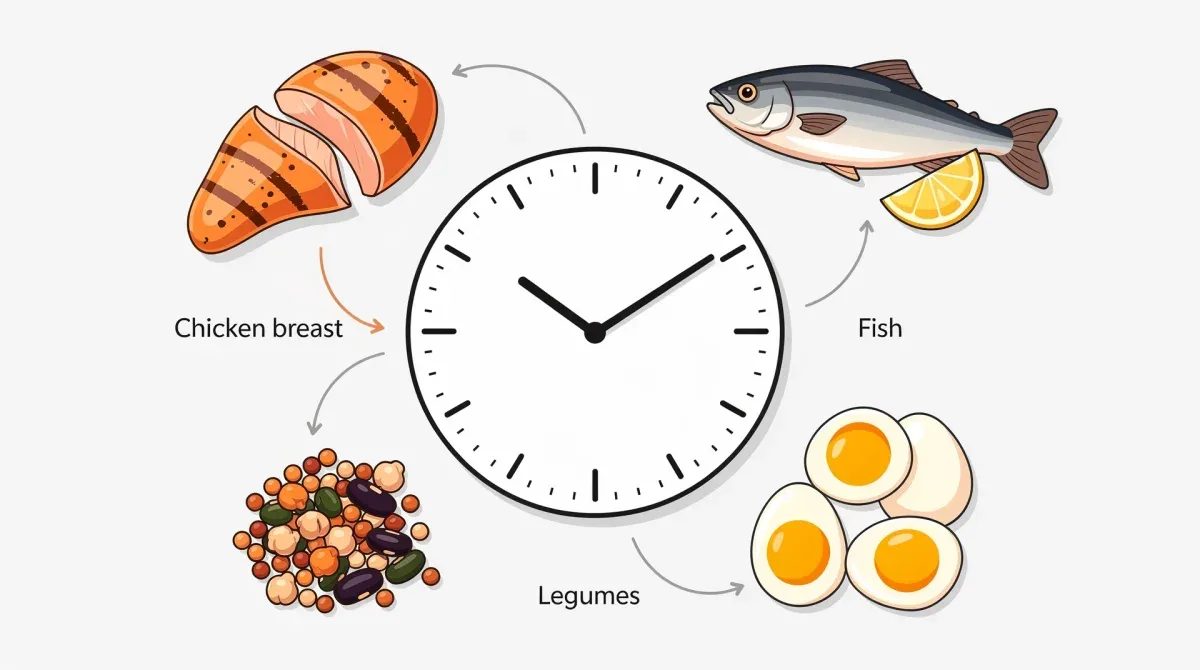
Protein pacing involves distributing protein intake evenly throughout the day, typically across four to six meals. This strategy aims to maximize muscle protein synthesis, the process by which the body builds and repairs muscle tissue, by providing a continuous supply of amino acids.
The rationale behind protein pacing is to consistently stimulate muscle protein synthesis, preventing periods of catabolism where muscle breakdown might exceed synthesis. This approach is often favored by athletes and bodybuilders seeking to optimize muscle growth and recovery.
Proponents argue that frequent protein intake ensures a steady amino acid pool, which is critical for muscle maintenance, especially during caloric restriction. The goal is to keep the body in an anabolic state for longer durations.
Intermittent Fasting and Muscle Retention
Intermittent fasting, on the other hand, involves cycling between periods of eating and voluntary fasting, with various protocols like 16/8 or 5:2. The primary metabolic shift during fasting is often linked to increased fat oxidation and cellular repair processes, including autophagy.
While intermittent fasting is widely recognized for its potential benefits in weight loss and metabolic health, concerns often arise regarding its impact on lean muscle mass, particularly during extended fasting windows. The question of muscle preservation is central to its long-term viability as a dietary strategy.
The theory suggests that growth hormone release during fasting might help spare muscle, but the total daily protein intake and its distribution within the eating window remain critical factors. The balance between catabolic and anabolic processes becomes a key consideration.
Key Findings: Protein Pacing Outperforms Intermittent Fasting
The 12-week study revealed a significant difference in lean muscle mass preservation between the two groups. Participants following a protein pacing strategy demonstrated superior retention of muscle compared to those on an intermittent fasting regimen, even when total caloric intake and macronutrient composition were similar.
This outcome suggests that the timing and distribution of protein intake play a more critical role in muscle preservation than previously emphasized in some intermittent fasting discussions. The continuous supply of amino acids appears to be a crucial factor in preventing muscle loss during periods of caloric deficit.
The data indicates that while intermittent fasting can be effective for weight loss, its ability to maintain lean muscle mass over a prolonged period, specifically 12 weeks, may be less robust than a carefully structured protein pacing approach. This has significant implications for individuals prioritizing body composition.
Methodology and Participant Demographics
The study involved a cohort of healthy adults, meticulously divided into two groups: one adhering to a strict protein pacing protocol and the other following an intermittent fasting schedule (e.g., 16/8). Both groups were prescribed iso-caloric diets, ensuring that overall energy intake was matched to control for confounding variables.
Participant demographics were carefully considered to ensure a representative sample, minimizing biases that could affect the generalizability of the findings. Factors such as age, initial body composition, and activity levels were standardized across both intervention groups.
Rigorous monitoring of dietary intake, body composition changes (using DEXA scans), and blood markers was conducted throughout the 12-week period. This comprehensive data collection allowed for a detailed analysis of the physiological responses to each dietary strategy.
Implications for Athletes and Fitness Enthusiasts
For athletes and fitness enthusiasts, the study's results offer clear guidance. Those aiming to maximize lean muscle retention during cutting phases or periods of intense training may find protein pacing to be the more effective strategy. This approach aligns with traditional bodybuilding principles that emphasize frequent, protein-rich meals.
The findings reinforce the importance of consistent protein intake for optimal muscle anabolism, suggesting that even if total daily protein is adequate, its distribution matters. This is particularly relevant for individuals engaged in resistance training, where muscle protein synthesis rates are elevated and require sustained amino acid availability.
Coaches and trainers can use this information to better advise their clients on dietary strategies tailored to specific body composition goals. While intermittent fasting may offer other benefits, muscle preservation appears to be better served by protein pacing.
Considerations for General Health and Weight Management
Beyond athletic populations, the study's insights are valuable for individuals focused on general health and sustainable weight management. Preserving lean muscle mass is crucial for metabolic health, strength, and functional independence, especially as individuals age.
The research suggests that for those undergoing weight loss, prioritizing protein pacing could mitigate the common issue of muscle loss often associated with caloric restriction. This can lead to a more favorable body composition outcome and a healthier metabolic profile in the long term.
Understanding the differential effects of Protein Pacing vs. Intermittent Fasting allows individuals to make more informed choices aligned with their personal health objectives. It moves beyond a one-size-fits-all approach to nutrition.
The Role of Protein Quality and Quantity
While timing and distribution are important, the study also implicitly underscores the foundational role of total protein quantity and quality. Regardless of the dietary pattern, ensuring adequate intake of high-quality protein sources remains paramount for muscle health.
High-quality proteins, rich in essential amino acids, particularly leucine, are critical for stimulating muscle protein synthesis. The study's participants likely consumed sufficient amounts of protein to facilitate comparisons, highlighting that even with adequate protein, timing is a differentiator.
Future research may further explore the interaction between protein quality, total daily intake, and the specific timing strategies of protein pacing and intermittent fasting. This will provide an even more granular understanding of optimal muscle preservation.
Future Research and Emerging Perspectives
The current study provides a strong foundation, but further research is warranted to explore various facets of Protein Pacing vs. Intermittent Fasting: Which Strategy Preserves More Lean Muscle Over 12 Weeks? Long-term studies extending beyond 12 weeks could offer insights into sustained effects and adaptations.
Investigating different intermittent fasting protocols (e.g., alternate-day fasting, 5:2) against protein pacing could reveal further nuances. Additionally, examining diverse populations, including older adults or individuals with specific metabolic conditions, would broaden the applicability of these findings.
The interplay of exercise type and intensity with these dietary strategies also presents a promising area for future investigation. Understanding how resistance training or endurance exercise modifies the outcomes could refine personalized nutritional recommendations.
Key Point | Brief Description |
|---|---|
Muscle Preservation | Protein pacing showed superior lean muscle retention over 12 weeks. |
Protein Timing | Distributing protein evenly throughout the day is key for anabolism. |
Intermittent Fasting | Effective for weight loss but less optimal for muscle preservation compared to pacing. |
Practical Application | Athletes and those prioritizing muscle should favor protein pacing. |
Frequently Asked Questions About Dietary Strategies
Does protein pacing always lead to better muscle preservation?▼
Recent studies suggest protein pacing generally leads to superior lean muscle preservation, especially during caloric restriction, compared to intermittent fasting. This is attributed to the consistent availability of amino acids for muscle protein synthesis, minimizing catabolic states and promoting continuous muscle repair and growth.
Can intermittent fasting still be beneficial for weight loss?▼
Yes, intermittent fasting remains a highly effective strategy for weight loss and improving metabolic health due to its ability to create a caloric deficit and enhance fat oxidation. However, individuals prioritizing lean muscle mass preservation should carefully consider their total protein intake and distribution within their eating windows.
What is the optimal protein intake for muscle preservation?▼
Optimal protein intake for muscle preservation typically ranges from 1.6 to 2.2 grams of protein per kilogram of body weight daily. Distributing this intake evenly across 4-6 meals throughout the day, as in protein pacing, is recommended to maximize muscle protein synthesis and minimize breakdown.
Are there specific foods recommended for protein pacing?▼
For protein pacing, focus on high-quality protein sources at each meal. These include lean meats like chicken and beef, fish, eggs, dairy products (like Greek yogurt and cottage cheese), and plant-based options such as legumes, tofu, and tempeh. Variety ensures a complete amino acid profile.
How does exercise interact with these dietary strategies?▼
Exercise, particularly resistance training, significantly enhances muscle protein synthesis, making adequate protein intake even more critical. When combining exercise with dietary strategies, protein pacing often provides better support for muscle repair and growth, especially post-workout, compared to restricted eating windows.
Looking Ahead: Refining Nutritional Guidance
The ongoing research comparing Protein Pacing vs. Intermittent Fasting continues to refine our understanding of optimal nutrition. These findings underscore that while both approaches offer benefits, their impact on specific body composition goals, like muscle preservation, can differ significantly.
Future dietary recommendations will likely become increasingly personalized, taking into account individual goals, lifestyles, and metabolic responses. Staying informed on these developments is crucial for making evidence-based decisions about health and fitness.