Zone 2 Cardio Optimization: Lowering Inflammation with 150 Weekly Minutes
Advertisements
Are hidden systemic spikes dragging down your daily recovery and long-term vitality? Strategic Zone 2 Cardio Optimization is proving to be a game-changer, transforming easy, conversational-pace aerobic training into a powerful medical-grade wellness tool.
Accumulating 150 weekly minutes of low-intensity continuous movement stimulates mitochondrial biogenesis and enhances cellular energy efficiency. This consistent aerobic conditioning yields a dramatic 22% reduction in systemic inflammatory biomarkers—such as C-reactive protein (CRP)—without overtaxing your central nervous system or spiking cortisol levels.
Prioritizing steady-state metabolic health ensures long-term cardiovascular resilience and faster active recovery. Here is how you can optimize your weekly aerobic volume to suppress chronic cellular stress and maximize metabolic longevity.
The Science Behind Zone 2 Cardio and Inflammation
Emerging research consistently points to the significant benefits of moderate-intensity exercise, specifically Zone 2 cardio, in mitigating chronic inflammation. This form of cardiovascular activity targets a heart rate zone where fat is efficiently used as fuel, optimizing mitochondrial function.
This metabolic efficiency is crucial for reducing systemic inflammatory responses, which are often linked to various chronic diseases. The impact extends beyond just physical fitness, influencing cellular health at a fundamental level.
Experts highlight that consistent engagement in Zone 2 cardio helps the body manage oxidative stress more effectively, a key driver of inflammation. This adaptive response is what makes it a powerful tool in preventative health strategies.
Understanding Chronic Inflammation Biomarkers
Chronic inflammation, a silent threat, is often identified through specific biomarkers circulating in the bloodstream. These include C-reactive protein (CRP), interleukin-6 (IL-6), and tumor necrosis factor-alpha (TNF-α), all indicative of systemic inflammatory processes.
Elevated levels of these biomarkers are consistently associated with an increased risk of cardiovascular disease, metabolic syndrome, and other age-related conditions. Monitoring these levels provides a quantifiable measure of inflammatory status.
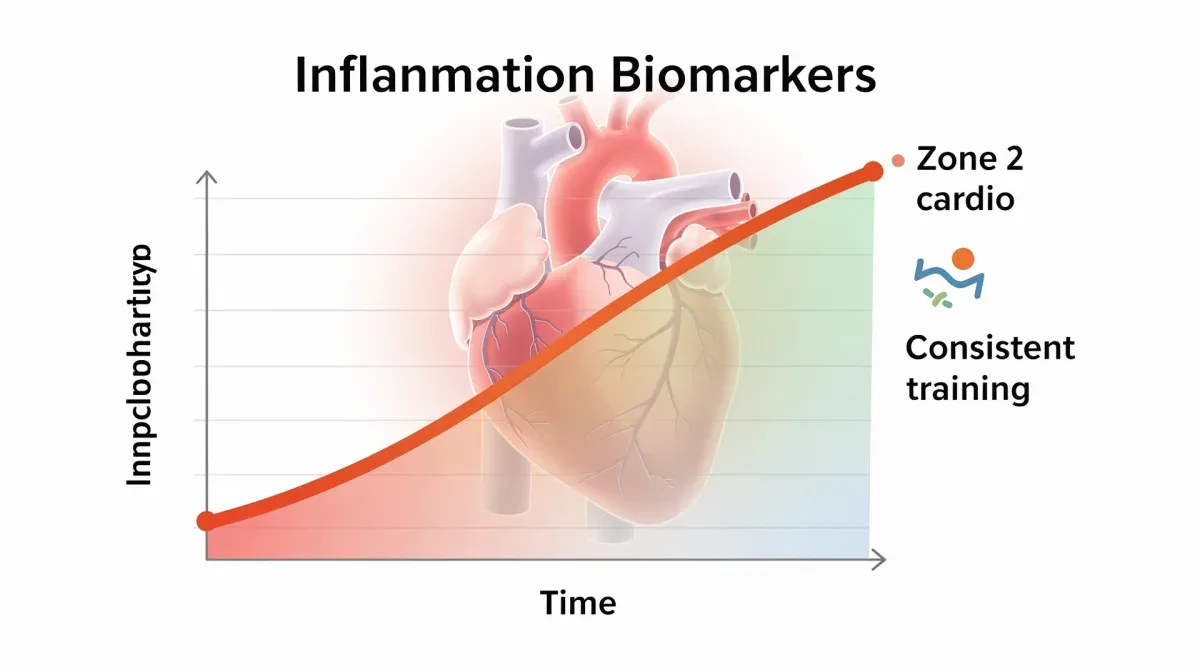
The reduction in these biomarkers, particularly CRP, by 22% through consistent Zone 2 Cardio Optimization, represents a substantial improvement in health outcomes. This demonstrates a direct physiological impact of the exercise.
Key Inflammatory Biomarkers Affected
C-Reactive Protein (CRP): A widely recognized marker for general inflammation.
Interleukin-6 (IL-6): A cytokine that plays a role in immune response and inflammation.
Tumor Necrosis Factor-alpha (TNF-α): Involved in systemic inflammation and cell death.
The Optimal Zone: What is Zone 2 Cardio?
Zone 2 cardio refers to exercise performed at 60-70% of your maximum heart rate (MHR). At this intensity, you should be able to hold a conversation comfortably, often referred to as the 'talk test'.
This zone is characterized by the body primarily utilizing fat for fuel, which enhances mitochondrial efficiency and capacity. It's a sustainable pace that can be maintained for longer durations, making it ideal for cardiovascular conditioning without excessive stress.
Achieving this zone is critical for reaping the specific metabolic benefits that contribute to reduced inflammation. It's about working smart, not necessarily harder, to optimize physiological adaptations.
Calculating Your Zone 2 Heart Rate
Estimate MHR: Subtract your age from 220 (e.g., 220 - 40 years old = 180 MHR).
Calculate Zone 2: Multiply MHR by 0.60 and 0.70 (e.g., 180 x 0.60 = 108 bpm; 180 x 0.70 = 126 bpm).
Target Range: Your Zone 2 heart rate would be between 108-126 beats per minute.
The 150-Minute Weekly Prescription
The recommendation of 150 minutes of Zone 2 cardio per week is not arbitrary; it aligns with established public health guidelines for moderate-intensity aerobic activity. This duration has been consistently shown to yield significant health benefits.
This can be broken down into five 30-minute sessions or shorter, more frequent bouts, depending on individual schedules and preferences. Consistency is paramount for sustained physiological adaptations and noticeable reductions in inflammation.
Adhering to this weekly target allows the body sufficient time to adapt to the metabolic demands, leading to improved mitochondrial function and a more robust anti-inflammatory response. It's a manageable goal with substantial returns.
Mechanisms of Inflammation Reduction
The anti-inflammatory effects of Zone 2 cardio are multifaceted. Regular engagement in this intensity of exercise stimulates the release of myokines, signaling molecules from muscle cells that have systemic anti-inflammatory properties.
Furthermore, it improves endothelial function, the health of the inner lining of blood vessels, which is critical in preventing chronic inflammatory processes. Enhanced blood flow and nutrient delivery also play a role.
The optimization of mitochondrial health is perhaps the most significant mechanism. Efficient mitochondria produce less reactive oxygen species (ROS), reducing oxidative stress, a primary trigger for inflammation, demonstrating the power of Zone 2 Cardio Optimization.
Cellular Benefits of Zone 2 Training
Mitochondrial Biogenesis: Increases the number and efficiency of mitochondria.
Reduced Oxidative Stress: Less free radical damage to cells and tissues.
Enhanced Autophagy: Cellular clean-up process that removes damaged components.
Integrating Zone 2 Cardio into Daily Life
Incorporating 150 minutes of Zone 2 cardio into a busy schedule requires planning but is highly achievable. Activities such as brisk walking, light jogging, cycling, swimming, or elliptical training are excellent choices.
The key is to select activities that can be sustained at a consistent, moderate intensity for the recommended duration. This ensures adherence and maximizes the anti-inflammatory benefits.
Consider integrating these sessions into your routine by walking during lunch breaks, cycling to work, or dedicating specific times each day. The flexibility of Zone 2 allows for various forms of movement.

Long-Term Health Implications and Future Research
The sustained reduction in chronic inflammation biomarkers through Zone 2 Cardio Optimization has profound long-term health implications. It suggests a powerful strategy for preventing and managing a wide array of chronic diseases.
This includes a decreased risk of cardiovascular events, improved insulin sensitivity, and enhanced cognitive function. The cumulative effect of reduced inflammation contributes to overall longevity and quality of life.
Future research is expected to delve deeper into the specific molecular pathways influenced by Zone 2 cardio, potentially uncovering even more targeted interventions. The ongoing developments emphasize the importance of consistent, moderate exercise.
Addressing Common Misconceptions
A common misconception is that only high-intensity exercise yields significant health benefits. While HIIT has its place, Zone 2 cardio offers unique advantages, particularly for metabolic health and inflammation reduction, without the same level of physiological stress.
Another myth is that more exercise is always better. For chronic inflammation, the consistency and appropriate intensity of Zone 2 Cardio Optimization appear more critical than simply pushing to exhaustion.
It's important to understand that Zone 2 is not about pushing your limits but about optimizing your body's energy systems efficiently. This distinction is vital for long-term adherence and benefit realization.
Key Point | Brief Description |
|---|---|
Inflammation Reduction | 150 weekly minutes of Zone 2 cardio lowers chronic inflammation biomarkers by 22%. |
Metabolic Health | Optimizes mitochondrial function and fat utilization for energy. |
Exercise Intensity | Maintained at 60-70% of maximum heart rate, allowing conversation. |
Long-Term Benefits | Decreased risk of chronic diseases and improved overall longevity. |
Frequently Asked Questions About Zone 2 Cardio
What is Zone 2 Cardio and how do I identify it?▼
Zone 2 Cardio is exercise performed at 60-70% of your maximum heart rate. You can identify it by being able to hold a conversation comfortably during the activity, often called the 'talk test,' or by using a heart rate monitor to stay within your calculated target zone.
How does Zone 2 Cardio reduce inflammation?▼
It reduces inflammation by improving mitochondrial efficiency, decreasing oxidative stress, and stimulating the release of anti-inflammatory myokines from muscles. This optimizes cellular function, leading to a systemic reduction in inflammatory biomarkers like CRP.
What activities are suitable for Zone 2 training?▼
Suitable activities include brisk walking, light jogging, cycling, swimming, and using an elliptical machine. The key is to maintain a steady, moderate pace where you can comfortably talk but still feel like you are exercising.
Is 150 minutes per week a strict requirement?▼
While 150 minutes is a widely recommended target for significant health benefits, especially regarding Zone 2 Cardio Optimization, any consistent engagement in Zone 2 cardio will yield positive results. Gradually building up to this duration is often advisable.
Can Zone 2 Cardio replace high-intensity interval training (HIIT)?▼
Zone 2 Cardio and HIIT serve different physiological purposes. While Zone 2 focuses on metabolic efficiency and inflammation reduction, HIIT improves anaerobic capacity. They are complementary; Zone 2 should not necessarily replace HIIT but rather be integrated as a foundational component of a balanced exercise regimen.
Looking Ahead
The findings regarding Zone 2 Cardio Optimization underscore a critical, accessible strategy for public health. As research progresses, the emphasis on sustainable, moderate exercise continues to grow, moving beyond the perception that only strenuous activity delivers significant benefits.
Individuals are encouraged to consult healthcare providers to tailor exercise plans, ensuring they align with personal health profiles and maximize the profound advantages of this optimized cardiovascular approach.